The Best Wineries and Chateaux to Visit in Saint-Emilion
Saint-Emilion has 85 classified properties, but only a slice of them open their gates to visitors. This guide sorts the real visitable chateaux by format, price and classification so you can build a day that matches your budget and your legs.
Short answer
The best wineries to visit in Saint-Emilion span two Premier Grand Cru Classe A estates (Chateau Figeac and Chateau Pavie), a dozen B-tier names such as Chateau Canon and Chateau Troplong Mondot, and 71 Grand Cru Classe properties. Direct chateau visits typically cost around 25-60 EUR per person (checked September 2026); small-group tours from Bordeaux run higher but bundle transport.
Saint-Emilion packs 85 classified wine properties into a UNESCO-listed jurisdiction barely bigger than a large farm, and the gap between the best ones and the merely famous ones is wide. The 2022 classification, announced on 8 September 2022 and valid through the 2031 harvest, names exactly 2 Premier Grand Cru Classe A estates (Chateau Figeac and Chateau Pavie), 12 Premier Grand Cru Classe B, and 71 Grand Cru Classe. Not all of them accept visitors, and the ones that do differ sharply in price, format and how far in advance you need to book.
This guide walks through which chateaux are genuinely open to the public, what each format of visit costs, and how to match a property to your travel style. It draws on the official classification figures published by the Saint-Emilion wine council, current tourism-office information, and the tour options that actually exist on the market rather than wishful itineraries. For the deeper background on how the classification tiers work, see our companion piece on the Saint-Emilion Grand Cru classification explained.
What makes a winery worth visiting in Saint-Emilion?
The chateaux most worth visiting combine three things: a real classification rank, a visit program that fits your group size, and logistics you can actually manage without a car. A Premier Grand Cru Classe A name alone does not guarantee a good visit, since some top estates offer only brief, tightly scheduled tours, while several Grand Cru Classe properties give longer, more relaxed tastings for less money.
Rank matters because it is the region's only quality yardstick. The classification is revised roughly every ten years, and the 2022 edition made headlines by promoting Chateau Figeac to the top A tier alongside Chateau Pavie, while demoting or excluding other well-known names. The official press release from the Saint-Emilion wine council lists all 85 classified properties, so any claim a chateau makes about its rank is easy to verify against the primary source (the 2022 classification press release).
Beyond rank, the practical differences between chateaux are bigger than most first-time visitors expect. Some estates, like Chateau Fonroque, have been organic since 2006 and biodynamic since 2008, and their tours lean into vineyard philosophy. Others, like Chateau Grand Corbin-Despagne, have been family-owned for more than 500 years and trade on continuity. Chateau Pavie, one of the two A-tier estates, runs small-group cellar and vineyard tours from around 60 EUR booked direct (checked September 2026). The format you pick changes the day more than the label does.
Which are the best classified chateaux you can actually visit?
The strongest visitable names are Chateau Pavie (A tier, tours from around 60 EUR direct), Chateau Fonroque (Grand Cru Classe, biodynamic, tastings around 25 EUR), Chateau Villemaurine (Grand Cru Classe with underground quarries), Chateau Balestard La Tonnelle and Chateau Grand Corbin-Despagne (both Grand Cru Classe, both open-house regulars). Chateau Figeac, the other A-tier estate, is the hardest to visit and usually needs a private arrangement.
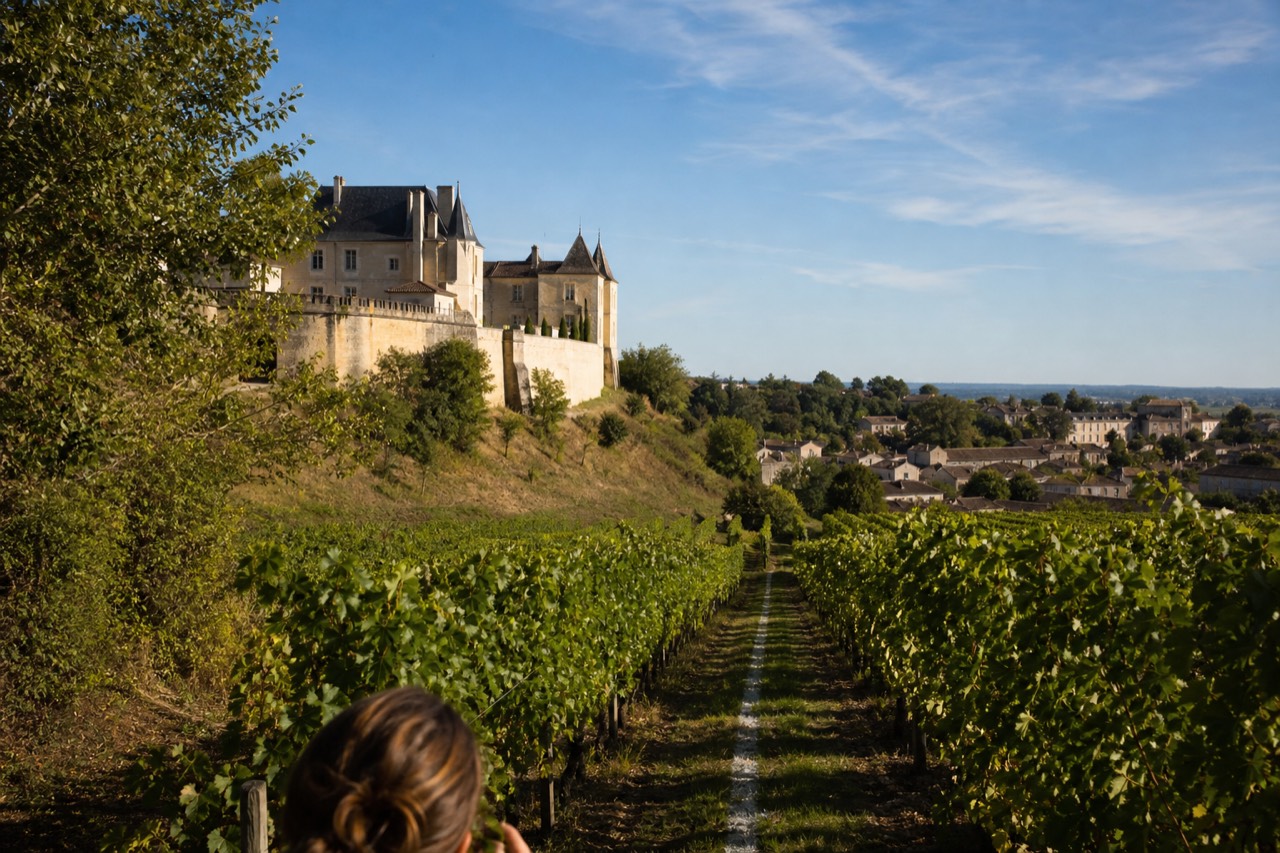
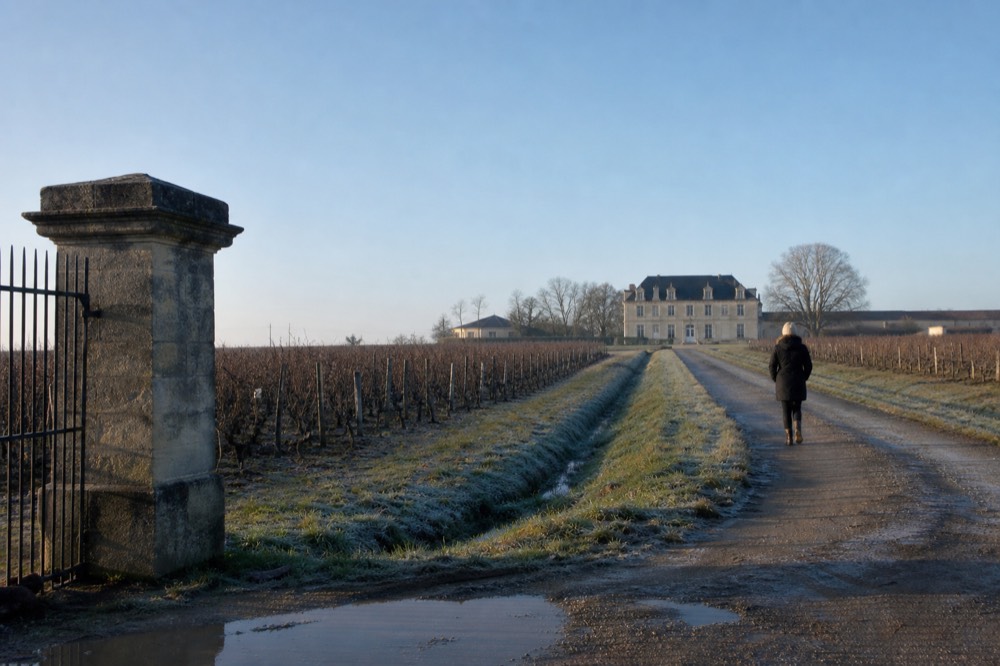
Pavie is the flagship most people can actually book. It sits on the hillside just below the village, its modern cellar is architecturally striking, and its small-group format keeps numbers low. Fonroque is the pick for visitors who care about viticulture: the estate converted to organic farming in 2006 and full biodynamic practice in 2008, and the visit walks you through what that means in the rows, not just the barrel hall. Villemaurine adds a dimension the others cannot match, since its underground quarries tie the wine story to the limestone the village itself is carved from.
Two practical notes shape any shortlist. First, several Grand Cru Classe properties participate in the appellation's open-house days, when estates that normally require appointments welcome walk-ins; Chateau Balestard La Tonnelle with its panoramic terrace and Chateau Grand Corbin-Despagne are regular participants. Second, the tourist office in the village is the reliable source for which chateaux have current visit programs, and its official brochure lists the open properties each season. If you would rather skip the reservation work entirely, a guided visit to a classified estate bundles the whole thing.
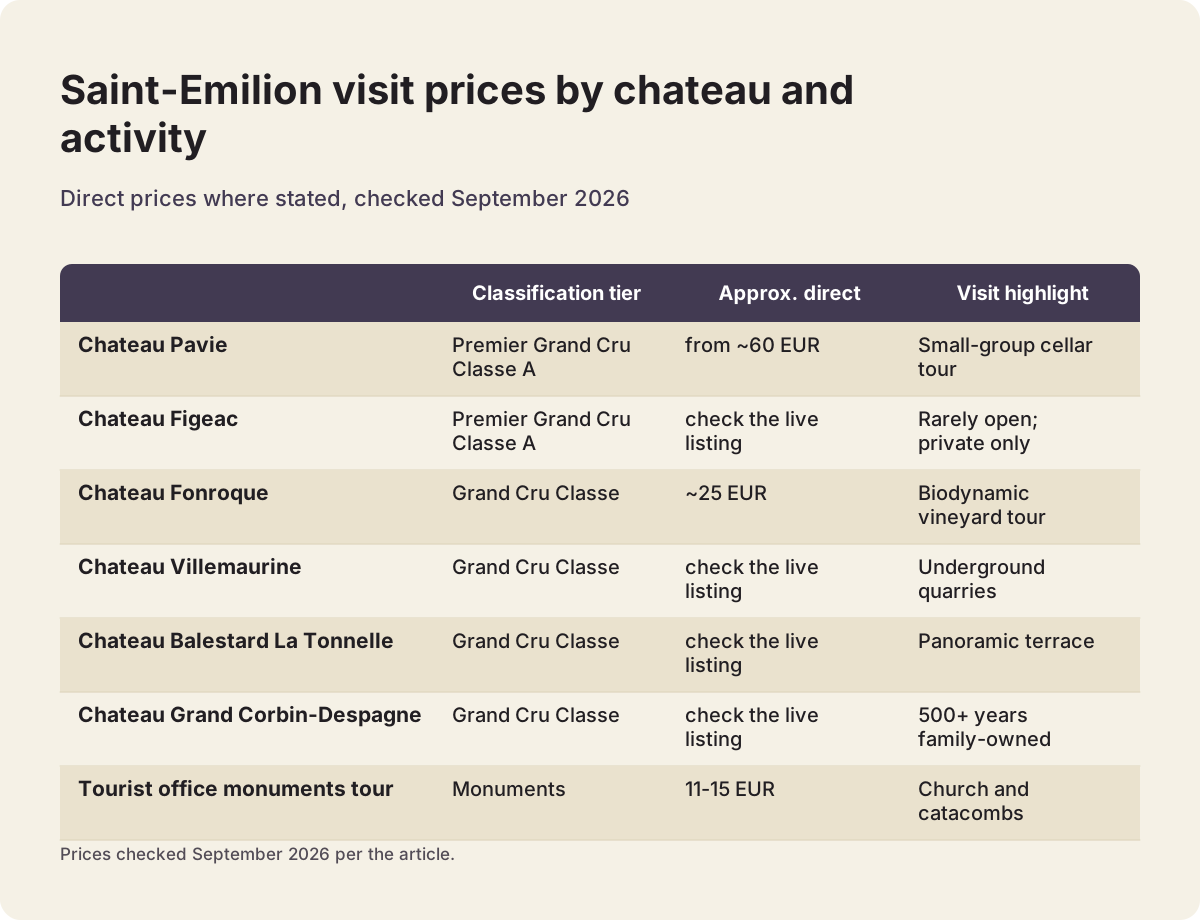
| Chateau | Classification tier | Visit highlight | Approximate direct price |
|---|---|---|---|
| Chateau Pavie | Premier Grand Cru Classe A | Small-group cellar and vineyard tour | from ~60 EUR (checked September 2026) |
| Chateau Figeac | Premier Grand Cru Classe A | Rarely open; usually private arrangement only | check the live listing |
| Chateau Fonroque | Grand Cru Classe | Organic and biodynamic vineyard tour, tasting of two wines | ~25 EUR (checked September 2026) |
| Chateau Villemaurine | Grand Cru Classe | Underground quarries and cellars | check the live listing |
| Chateau Balestard La Tonnelle | Grand Cru Classe | Panoramic terrace, open-house regular | check the live listing |
| Chateau Grand Corbin-Despagne | Grand Cru Classe | 500+ years of family ownership, open-house regular | check the live listing |
What does a single-chateau tasting tour include?
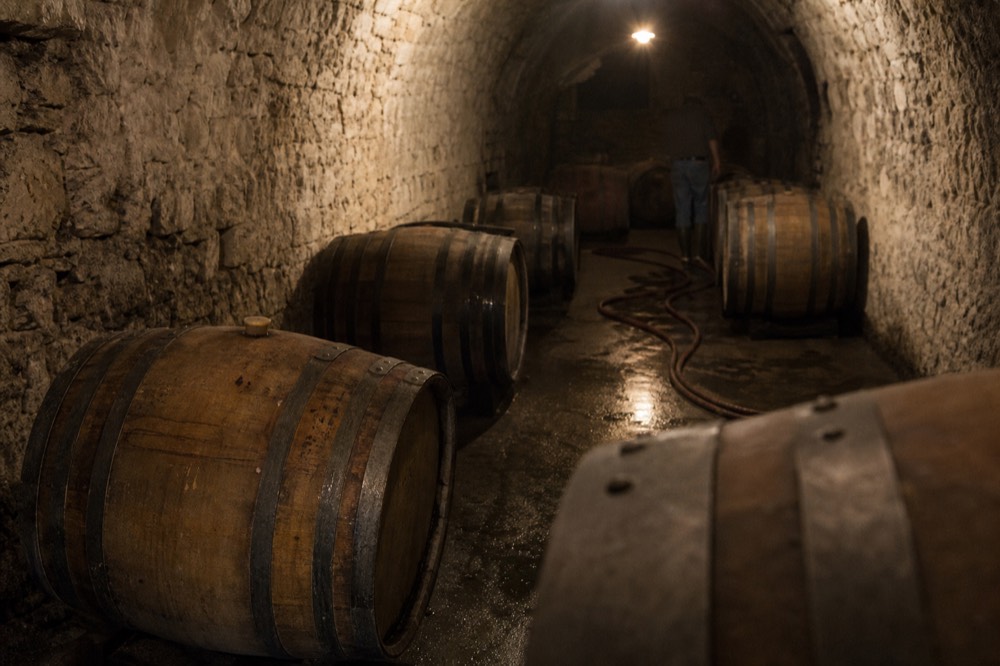
A single-chateau tour typically includes a guided walk through the vineyards or underground cellars, an explanation of the estate's winemaking, and a seated tasting of two to four wines, usually lasting 60 to 90 minutes. Prices run from around 25 EUR for a direct Grand Cru Classe tasting to 60 EUR and up for A-tier estates (checked September 2026), while organized small-group versions add transport and cost more.
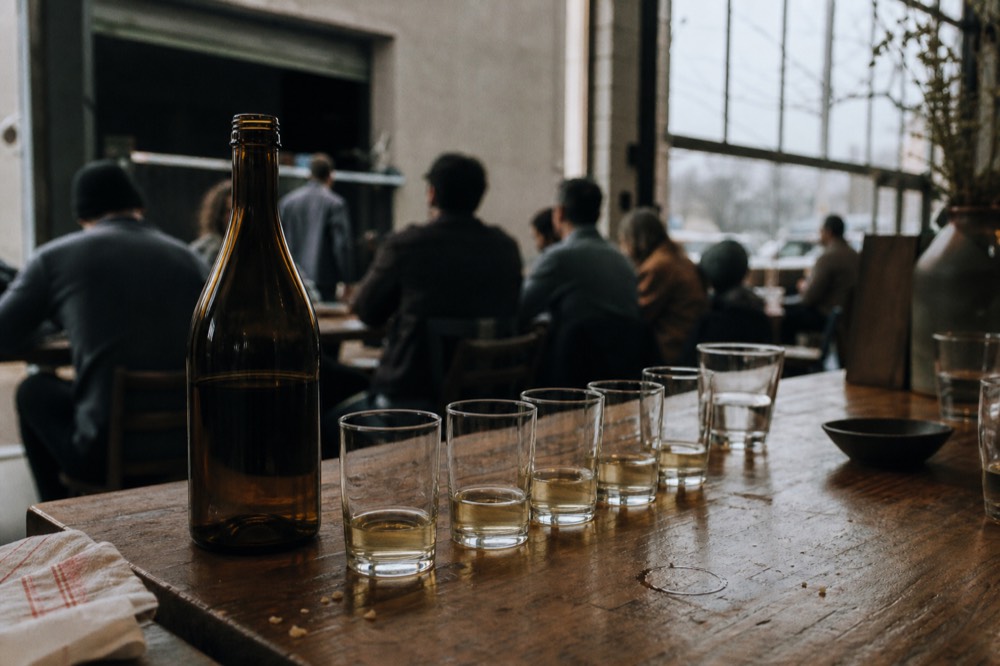
The direct-visit version puts you on the estate with the chateau's own staff. You get the cellar, the story and the tasting, but you get yourself there. That is workable if you have a car or book an estate within cycling distance of the village, and several chateaux sit close enough that a bike or a short taxi ride covers the gap. The organized version starts in Bordeaux or the village center, handles the appointment, and shepherds a small group through the visit, which matters because many classified estates do not accept individual walk-ins at all.
The value question is honest rather than obvious. A direct visit is cheaper per estate, but the appointment requirement, the travel between properties and the risk of arriving to find the tasting room full eat time. A tour costs more and removes exactly those frictions. One industry note puts the average cellar tour plus tasting in the region at around 29 EUR booked direct (checked September 2026), so the premium you pay for a guided product is essentially the transport and the guarantee of a slot.
Chateau Labrie's tour is the format in miniature: a family-scale estate visit where the group is small enough that the tasting feels like a conversation rather than a lecture. It suits visitors who want one chateau done properly instead of three done in a blur.
Which chateaux can you visit without a tour or a car?
You can visit several chateaux car-free by picking estates within walking or cycling distance of the village, and the old town itself is walkable once you arrive, though steep and cobblestoned. The walk up from the station to the village center takes roughly 20 to 30 minutes, and direct TER trains from Bordeaux Saint-Jean run about hourly, taking around 30 minutes with one-way fares typically 5 to 17 EUR (checked September 2026).
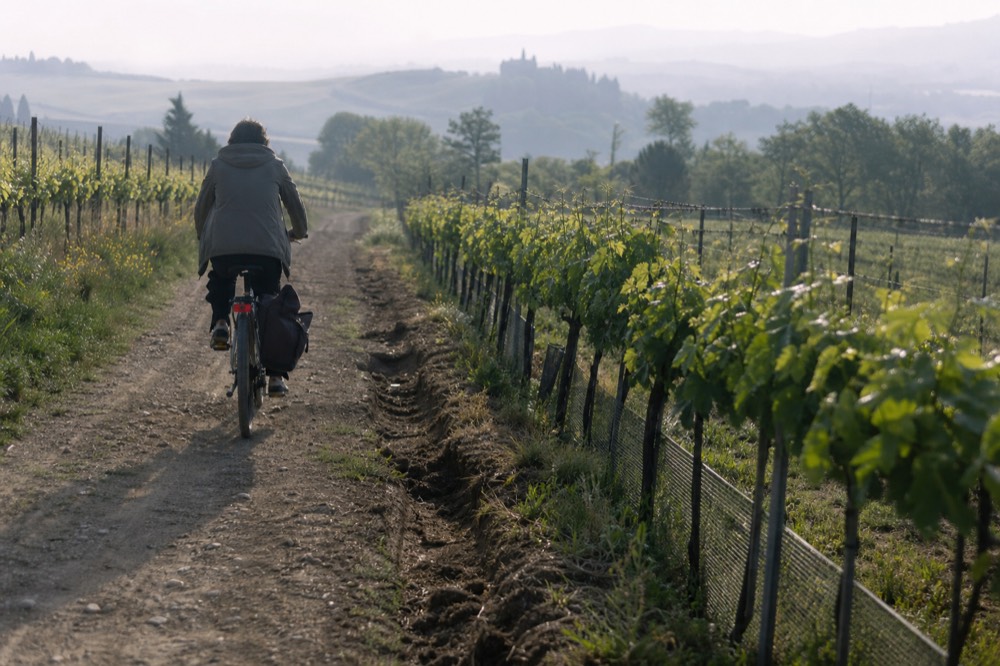
The car-free strategy is really a geography strategy. Estates on the plateau immediately around the village, such as Villemaurine and those on the Libourne road, are reachable on foot or by bike, and electric bike rentals in the village make the hills manageable. Properties further out across the appellation, including several of the most famous names, effectively require a vehicle or a seat in a group tour. If your heart is set on a specific distant estate and you have no car, the organized small-group day trips are the realistic route.
Parking, for drivers, deserves one warning: the historic core is pedestrianized and lots at the edges fill quickly in peak season, with paid options around 2 EUR per hour at some lots (checked September 2026). The same logic that makes the village pleasant makes the car a liability. Many visitors park at the periphery or arrive by train and never move the vehicle again.
How much do chateau visits and tastings actually cost?
Direct chateau visits in Saint-Emilion typically cost between about 25 and 60 EUR per person depending on the estate's rank and format (checked September 2026), with A-tier Chateau Pavie from around 60 EUR and Grand Cru Classe estates lower. Organized tours from Bordeaux bundle transport, several stops and often lunch, at a higher per-person price, while the tourist office's own monument tours run 11 to 15 EUR for adults (checked September 2026).
The honest way to budget is to separate the wine visits from the village sightseeing. The monolithic church and underground monuments, booked through the official tourist office, cost typically 11 to 15 EUR for adults (checked September 2026), with reservation recommended in peak season. That is the cultural half of the day. The wine half scales with rank and exclusivity, as the table below shows.
| Visit type | Typical price per person | What you get | Notes |
|---|---|---|---|
| Tourist office monuments tour | 11-15 EUR (checked September 2026) | Monolithic church, catacombs, underground quarries | Reservation recommended in peak season |
| Grand Cru Classe tasting, direct | ~25 EUR and up (checked September 2026) | Estate tour plus tasting of two or more wines | Fonroque example; appointment often required |
| Premier Grand Cru Classe A visit, direct | from ~60 EUR (checked September 2026) | Small-group cellar and vineyard tour, tasting | Chateau Pavie example |
| Organized small-group tour from Bordeaux | higher; check the live listing | Transport, guide, multiple estates, sometimes lunch | Price varies by season and inclusions |
Treat those direct-visit numbers as planning ranges, not promises: estates adjust fees seasonally and some raise prices for vertical tastings or food pairings. Always confirm the current fee when you book, and remember that French consumer rules require displayed prices to include VAT, so the number you see on a French listing is the number you pay.
How do you choose between the visiting formats?
Choose a direct chateau visit if you have a car, want one specific estate and can book ahead; choose a small-group day tour if you are based in Bordeaux without a vehicle; choose a private tour if the visit is the centerpiece of the trip rather than one stop in it. The deciding factors are transport, group-size tolerance and how much of the day you want to spend on wine versus everything else.
Group size is the variable people underestimate. A 60-minute tasting with eight strangers is a different experience from the same tasting with two, and the price gap between those two situations is real. Private tours cost the most per person but let you ask questions at your own pace, which matters if you actually want to understand how a given estate's blend departs from the Merlot-dominant norm on the Right Bank.
Transport decides most of it in practice. Saint-Emilion sits about 40 to 45 km from central Bordeaux, a 37 to 53 minute drive, and the Medoc's chateaux by comparison spread along an 80+ km route that effectively demands an organized tour or a driver. If you are comparing the two regions for a single day trip, our Saint-Emilion versus Medoc comparison breaks down the trade-offs, and the broader Left Bank versus Right Bank question explains why the wines themselves taste different.
| Format | Best for | Typical group size | Car needed |
|---|---|---|---|
| Direct chateau visit | Wine-focused visitors with a specific estate in mind | Varies by chateau | Usually yes |
| Small-group day tour from Bordeaux | First-time visitors, car-free travelers | ~8-15 | No |
| Electric bike tour with tastings | Active visitors, flexible itineraries | Small groups | No |
| Private tour | Special occasions, deep-dive tasting | Your own party | No |
| Tourist office monuments tour | Culture and history, tight budgets | Larger groups | No |
The Grand Cru Classe winery visit is the middle path that suits most travelers: a classified estate, a small group and no self-drive logistics, at a price below the A-tier direct options.
When is the best time of year to visit the wineries?
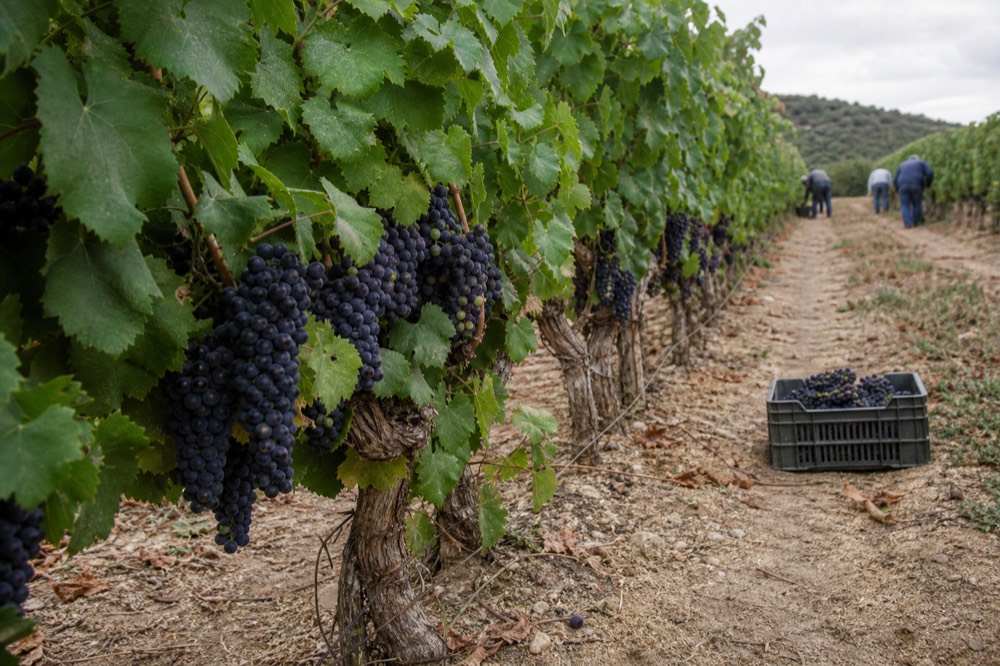
September and October are the strongest months for a Saint-Emilion winery visit because the harvest is underway, the vines are heavy and the weather is still reliable, though visiting during the harvest itself means some cellars restrict access. May and June offer green vineyards and fewer crowds, while August is the busiest and hottest period, and many chateaux close or shorten visits over the winter low season.
The 2026 season illustrated the shifting calendar. Chateau Troplong Mondot began picking Merlot on 19 August 2026, a start the appellation's own press described as unprecedented, and Saint-Emilion AOC was among 12 Bordeaux appellations granted a drought-related irrigation derogation for young vines by mid-July 2026. Early harvests compress the window when you can see grapes on the vine, so if seeing the harvest matters to you, mid-September is now the safer bet than early October.
The trade-off during harvest is access. Working cellars are fascinating to look at but hazardous to walk strangers through, so some estates limit visits to the vineyard and the tasting room during the pick. If your priority is a full cellar tour, late spring gives you the complete experience with thinner crowds. Check the chateau's schedule when booking, since harvest timing shifts every year.
What rules and practicalities should you know before booking?
France's legal drinking age is 18 with no exception for accompanied minors on served alcohol, EU cooling-off rights do not apply to date-specific tour bookings, and prices shown on French consumer listings must include VAT. Tastings are therefore adults-only, a booked tour date is generally non-refundable under EU rules unless the operator offers its own cancellation terms, and the price you see is the price you pay.
The drinking age point matters for families. The sale and service of alcohol to minors is banned in all public places in France under the Code de la sante publique, and the server must verify age, so a wine tour is not a family activity in the way a village stroll is. Teenagers can usually join the vineyard walk but not the tasting, and policies vary by operator, so ask before booking.
The cancellation point matters for everyone. Under the EU Consumer Rights Directive, the standard 14-day withdrawal right does not apply to leisure services booked for a specific date, which covers a wine tour reserved for a fixed day. That is why operators' own free-cancellation terms are worth checking on the live listing before you commit: those terms are a commercial promise, not a legal guarantee, and they are what actually protects your money.
How do you build a full day around the chateaux?
A strong single day pairs one chateau visit with the village's own sights: book a morning tasting at a nearby estate, walk or cycle back for lunch in the village, take the tourist office's monuments tour in the afternoon, and finish with a second tasting or a wine bar stop. With the roughly 30-minute train from Bordeaux running about hourly, you can do all of this car-free if you pick estates close to town (checked September 2026).
Lunch deserves a plan rather than luck. The village's best-known tables, from the Michelin-starred Logis de la Cadene (founded 1848) to the two-star La Table de Pavie inside Hotel de Pavie, draw high review volumes, and booking ahead is the safer bet in peak season. Mid-range options like La Table 38 and the wine bar L'Envers du Decor fill the gap for a casual lunch between tastings; our where to eat in Saint-Emilion guide covers the full range.
If you are staying overnight rather than day-tripping, the accommodation picture splits between inside-the-walls properties like the Auberge de la Commanderie and vineyard estates a kilometer or two out, and the choice affects which chateaux are convenient. Inside the walls you get the medieval atmosphere and a short stumble home; outside you get pools, vineyard views and easier parking. Whichever base you pick, the village's free sights cost nothing and still deliver the UNESCO-listed landscape on foot.
The private underground monuments and Grands Crus tour is the format for visitors who want the village's quarries and the classified wines in one continuous, guided thread, with no self-assembly required.
Saint Emilion Wine Tours exists because the region rewards a little planning: the chateaux worth visiting are genuinely open, genuinely classified and genuinely varied, but the doors that are open change with the season and the appointment book. Pick your format first, then your estate, and the rest of the day falls into place.
The best wineries in Saint-Emilion are the classified estates that actually accept visitors: Chateau Pavie and Chateau Figeac at the top tier, and Grand Cru Classe properties like Chateau Fonroque, Chateau Villemaurine, Chateau Balestard La Tonnelle and Chateau Grand Corbin-Despagne for easier booking and lower prices. Direct visits typically cost 25 to 60 EUR per person (checked September 2026), and most estates require an appointment.
Common questions about the best wineries in Saint-Emilion
Which chateaux in Saint-Emilion can you visit?
Visitable classified estates include Chateau Pavie (Premier Grand Cru Classe A, tours from around 60 EUR direct, checked September 2026), Chateau Fonroque (Grand Cru Classe, organic and biodynamic), Chateau Villemaurine, Chateau Balestard La Tonnelle and Chateau Grand Corbin-Despagne. The tourist office publishes the current list of open properties each season.
How much does a chateau tasting cost in Saint-Emilion?
Direct visits typically run from about 25 EUR at Grand Cru Classe estates up to around 60 EUR and beyond at A-tier properties (checked September 2026). The tourist office's own monuments tours cost 11 to 15 EUR for adults (checked September 2026). Organized tours cost more but include transport.
Can you visit Saint-Emilion wineries without a car?
Yes. Direct TER trains from Bordeaux Saint-Jean take about 30 minutes with roughly hourly service and one-way fares typically 5 to 17 EUR (checked September 2026). The village is walkable though steep, and chateaux close to town can be reached on foot or by bike; distant estates are better reached on an organized tour.
What is the difference between Premier Grand Cru Classe A and Grand Cru Classe?
The 2022 classification names 2 Premier Grand Cru Classe A estates (Chateau Figeac and Chateau Pavie), 12 B-tier estates and 71 Grand Cru Classe properties, 85 in total. The tiers rank quality reputation, and the classification is valid through the 2031 harvest.
Do you need to book chateau visits in advance?
Usually yes. Many classified estates work by appointment, and the tourist office recommends reserving even its own monument tours in peak season. Booking ahead is the safer bet throughout the summer and harvest months.
Can children join a Saint-Emilion wine tour?
The vineyard walk is often fine, but the tasting is not: France's legal drinking age is 18, and the law bans sale and service of alcohol to minors in all public places, with no exception for accompanied minors. Check the specific operator's policy before booking.