Saint-Emilion or Medoc: Which Bordeaux Wine Tour Should You Pick?
Two of Bordeaux's most famous wine regions sit on opposite banks of the same estuary, and they suit two very different kinds of day trip. Here is how the trade-offs actually break down.
Short answer
Pick Saint-Emilion if you want a walkable UNESCO village, a 30-minute direct train from Bordeaux and Merlot-driven tastings you can reach without a car. Pick the Medoc if you want formal estate visits along an 80-plus km chateau route, Cabernet Sauvignon tastings, and you are happy with an organized tour or driver.
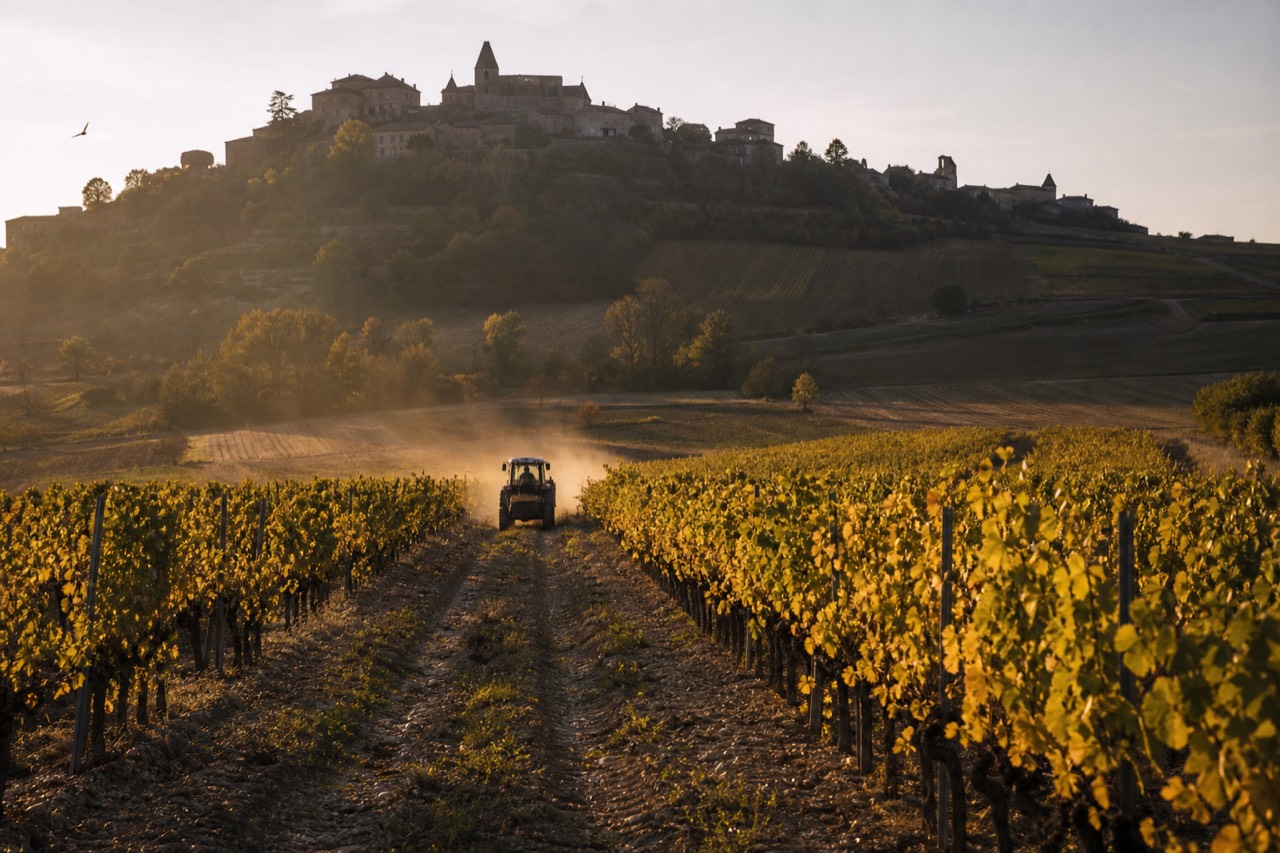
Bordeaux splits its vineyards down the middle with water. The Garonne and Dordogne rivers meet in the Gironde Estuary, and everything wine travelers care about falls on one bank or the other. On the Right Bank sits Saint-Emilion, a medieval limestone village whose entire jurisdiction has been UNESCO-listed since 1999. On the Left Bank stretches the Medoc, an 80-plus km peninsula of gravel banks where the First Growths of Pauillac and Margaux were built.
Most visitors from Bordeaux have time for one, maybe two, day trips. Choosing between them is not about which region makes "better" wine, that argument has run for two centuries without a winner. It is about logistics, format and what kind of day you actually want. This guide compares the two regions on the things that decide your trip: how you get there, whether you need a car, what pours into your glass, and what each style of tour costs.
Saint-Emilion or Medoc: which wine tour should you pick from Bordeaux?
Pick Saint-Emilion for a compact, walkable day built around a UNESCO-listed village, reached by a direct train in about 30 minutes, with Merlot-dominant tastings and the freedom to wander between visits. Pick the Medoc for a more formal, estate-by-estate day of grand chateaux and Cabernet Sauvignon, which realistically means an organized tour or a driver because the properties spread along an 80-plus km route.
Those two sentences hide the real decision. A Saint-Emilion day can be as loose as a train ticket and a map: arrive, walk uphill into the village, book a tasting or two, eat lunch on a terrace, take an evening train home. A Medoc day is almost always a structured product. The chateaux sit behind gates off the D2, the Route des Chateaux, visits run on appointment, and public transport barely touches the peninsula. Travelers who try to self-drive the Medoc often find they spend the day watching the clock rather than the vines.
Neither region is the "serious" choice and neither is the tourist trap. The Medoc holds four of Bordeaux's five First Growths, the names everyone knows: Lafite, Latour, Margaux, Mouton (the fifth, Haut-Brion, sits just south in Graves). Saint-Emilion holds the romance: the monolithic church carved out of a limestone hill, cobbled lanes, and the 2022 classification that promoted Chateau Figeac to Premier Grand Cru Classe A alongside Chateau Pavie. If your interest in wine is one notch above casual, Saint-Emilion is usually the easier and more rewarding first visit. If you already know your classed growths and want to stand in the cellars of Pauillac, the Medoc earns its logistics.
The geography behind this choice is simple: the Left Bank lies south and west of the Garonne, the Right Bank north and east of the Dordogne, and the two banks grow different grapes on different soils as a direct result.
How different are the two regions really?
Very, in almost every dimension that affects a visit. The Medoc grows mostly Cabernet Sauvignon on gravel soils across a long peninsula of estates; Saint-Emilion grows mostly Merlot, often with Cabernet Franc, on clay and limestone around one compact hilltop village. The Medoc is formal and car-dependent, Saint-Emilion is pedestrian and village-based, and the two wine styles they produce taste noticeably different in the glass.
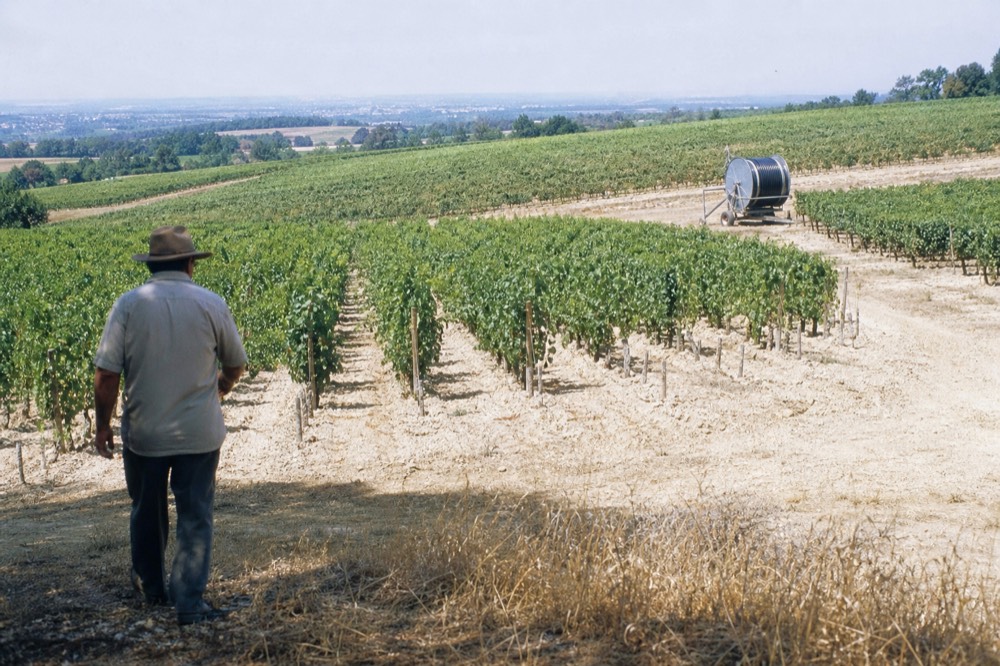
The soil story explains the rest. Left Bank gravel drains fast and stores heat, which suits the late-ripening Cabernet Sauvignon that dominates Medoc blends, typically in the range of roughly 55-85 percent at top estates. Right Bank clay and limestone holds water and warms earlier, which suits Merlot, the grape that makes up roughly 50-90 percent of most Saint-Emilion blends, frequently backed by Cabernet Franc. In practical tasting terms: Medoc wines lean structured, tannic and built for long aging, while Saint-Emilion wines tend toward plummy, rounder fruit that shows well even in a young, inexpensive pour at a cellar door.
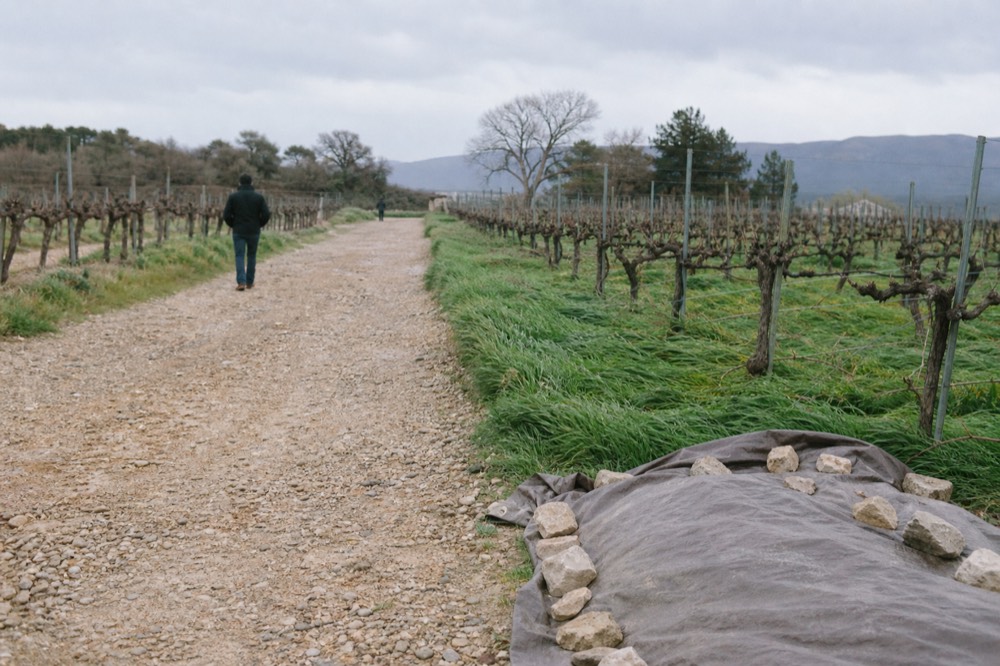
The visitor experience splits the same way. Saint-Emilion's entire jurisdiction, vineyards included, was inscribed by UNESCO in 1999 as a living cultural landscape, and the village itself is small enough that you move on foot between the church, the tasting rooms and lunch. The Medoc has no equivalent village hub. Its communes, Margaux, Saint-Julien, Pauillac, Saint-Estephe, are essentially collections of estates strung along one road, and the day is spent driving between gates.
| Dimension | Saint-Emilion (Right Bank) | Medoc (Left Bank) |
|---|---|---|
| Dominant grapes | Merlot, often with Cabernet Franc | Cabernet Sauvignon, with Merlot and Cabernet Franc |
| Soils | Clay and limestone | Deep gravel |
| Setting | One walkable medieval village | Estates spread along an 80+ km route |
| Getting around | On foot in the village; short drives to chateaux | Car, driver or organized tour, essentially required |
| Wine character in youth | Rounder, plummy, approachable | Structured, tannic, age-worthy |
| Iconic names | Chateau Figeac, Chateau Pavie | Chateau Margaux, Chateau Latour, Chateau Lafite Rothschild |
A note on price reputation: the wine trade generally regards Left Bank First Growths as commanding higher prices than Saint-Emilion's Premier Grand Cru Classe A wines, but that is trade reputation rather than a verified retail figure, and either way you are not buying those bottles on a day tour. What you taste on both sides is the region's mid and upper tiers, where the quality gap narrows a lot.
If you want the full classification picture on the Right Bank, our Saint-Emilion wine classification explained guide covers the 2022 ranking and what it means for visitors.
For either side of the river, these three formats are the ones travelers compare most often:
What are the day-trip logistics from Bordeaux?
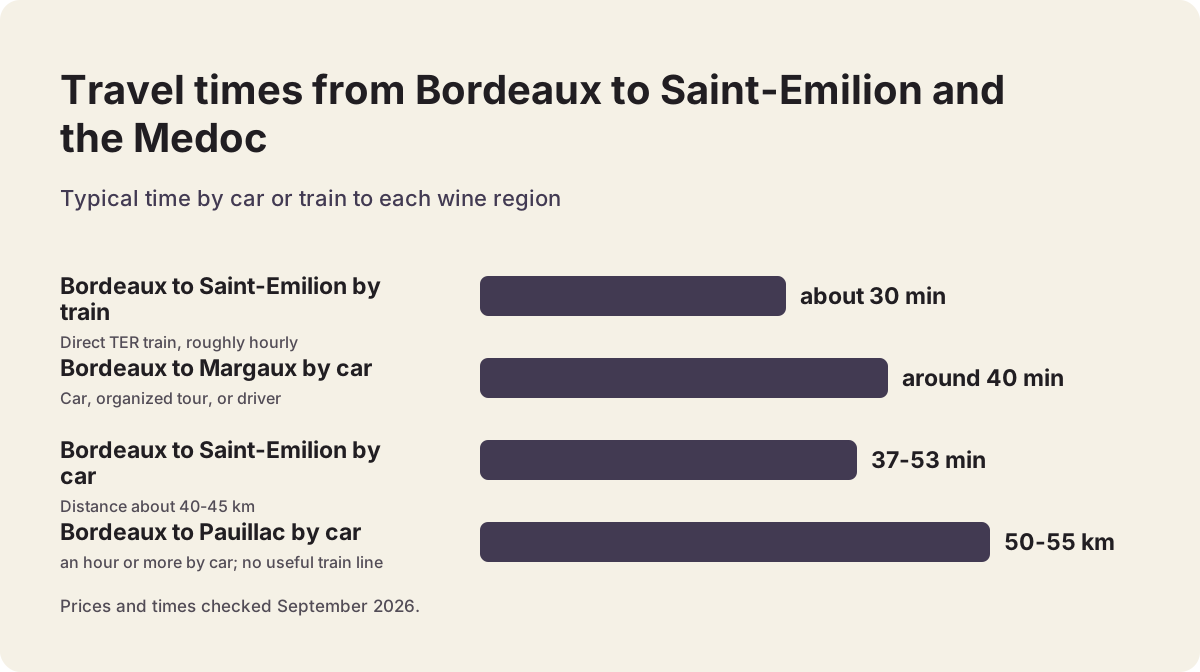
Saint-Emilion sits about 40-45 km from central Bordeaux, and direct TER trains cover the trip in about 30 minutes, running roughly hourly for one-way fares that typically run 5-17 EUR (checked September 2026). The Medoc's key communes are comparably far, Margaux about 30-40 km and Pauillac about 50-55 km, but there is no useful train line, so the practical options are an organized tour, a hired driver or a rental car.
The train is the single biggest logistics asymmetry. Bordeaux Saint-Jean to Saint-Emilion runs roughly 16-17 times a day, some services stopping at Libourne on the way, with the shortest journeys around 29 minutes. You can decide to go the night before, or even the same morning, and nothing needs to be booked ahead except your tastings. The walk from Saint-Emilion station up to the village center takes roughly 20-30 minutes on steep, cobbled streets, which is worth knowing before you arrive in flip-flops. By road, the drive from central Bordeaux runs 37-53 minutes depending on traffic.

The Medoc inverts every one of those advantages. Drive times to Margaux run around 40 minutes, but Pauillac generally takes an hour or more, and the estates are not clustered: you lose much of a day just moving between them. Public transport exists in fragments and does not serve a realistic wine-tour itinerary. That is why nearly every Medoc day trip is a guided coach or minibus product, and why those products are genuinely worth their price here in a way they are not always on the Right Bank.
| Route | Distance from Bordeaux | Typical time | Transport options |
|---|---|---|---|
| Bordeaux to Saint-Emilion | about 40-45 km | 37-53 min by car; about 30 min by train | Direct TER train, car, tour |
| Bordeaux to Margaux | about 30-40 km | around 40 min by car | Car, organized tour, driver |
| Bordeaux to Pauillac | about 50-55 km | an hour or more by car | Car, organized tour, driver |
Parking matters if you do drive. Saint-Emilion's historic core is largely pedestrianized, and drivers park at the edges, with some paid lots around 2 EUR per hour (checked September 2026), filling quickly in peak season. In the Medoc, parking is rarely the problem; scheduling is, since many classed-growth visits run strictly by appointment.
If you would rather skip the planning entirely, a half-day small-group tour from Bordeaux handles the village and two chateau tastings in one fixed block. The operator's live listing carries the current price and departure details, with free cancellation shown at booking:
The half-day format is the most popular way travelers test the Right Bank before committing a full day, and the Saint-Emilion half-day wine tour and tasting from Bordeaux pairs a guided village walk with two seated tastings, all transport included.
Can you visit either region without a car?
Yes for Saint-Emilion, realistically no for the Medoc. Saint-Emilion's old town is genuinely walkable once you arrive, steep and cobbled but compact, with chateau tasting rooms in or near the village and a tourist office running the official underground monuments tour for roughly 11-15 EUR per adult (checked September 2026). The Medoc without a car means booking a seat on an organized tour, because the estates are too dispersed to reach on foot or by public transport.
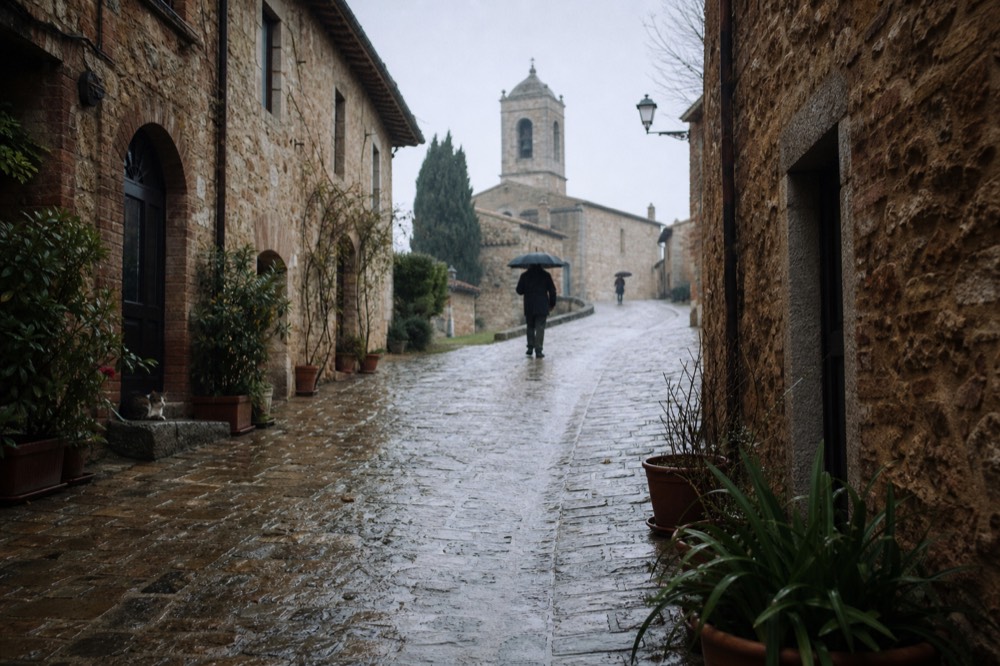
This is where the two day trips feel least alike. On the Right Bank you can build an entire satisfying day from the station platform: climb into the village, take the tourist office's monolithic church and catacombs tour, book a tasting at a Grand Cru Classe estate in or near town, eat lunch, and walk out to vineyard viewpoints between stops. Chateau Villemaurine, inside easy reach of the center, is one of several estates listed in official tourism resources with visit and tasting options. Reservation is recommended for the official monuments tour in peak season, and the same goes for popular tastings.
The Medoc's walkability is essentially zero, and that is not a flaw, it is the design. The Route des Chateaux strings Margaux, Saint-Julien, Pauillac and Saint-Estephe along one road with vines on both sides and no village life in between. The experience is deliberately formal: gates, appointment books, cellars the size of cathedrals. Travelers who accept that structure get a day that feels closer to a private viewing than a village stroll.
For the car-free Right Bank day, the full-day format buys you lunch and more chateau time than the half-day allows. The Saint-Emilion village and chateaux lunch day tour is the natural upgrade if the half-day sounds too short.
What wines will you actually taste on each tour?
In Saint-Emilion you will taste Merlot-dominant blends, often with a Cabernet Franc component, poured at family-run and classed estates around the village, with direct cellar tour and tasting experiences commonly starting around 25 EUR and rising to about 60 EUR and up at Premier Grand Cru Classe A properties (checked September 2026). In the Medoc you will taste Cabernet Sauvignon-led blends, usually at larger, more formal estates where visit formats are more scripted.
The Right Bank's tasting rooms span a wide band. Chateau Fonroque, a Grand Cru Classe that has been organic since 2006 and biodynamic since 2008, runs estate visits with two-wine tastings from around 25 EUR in a private format (checked September 2026). At the top of the scale, Chateau Pavie, one of only two Premier Grand Cru Classe A estates in the 2022 classification, offers small-group cellar and vineyard tours from roughly 60 EUR direct (checked September 2026). Between those poles sit dozens of Grand Cru Classe properties that welcome visitors, several of which we cover in our guide to the best wineries and chateaux in Saint-Emilion.
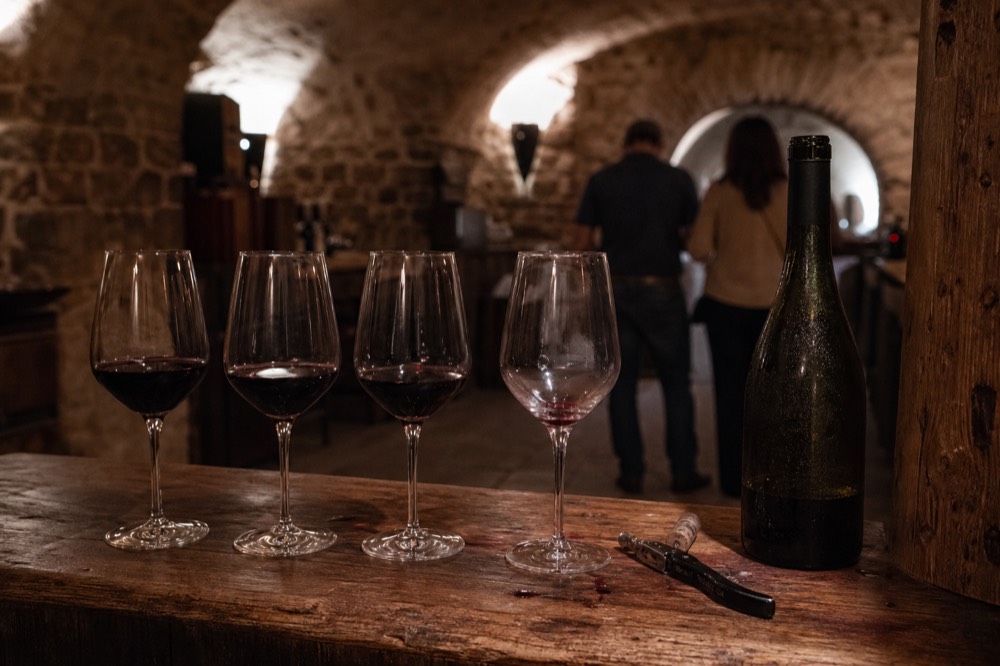
The Medoc's visits skew grander and more choreographed. The First Growths either do not accept casual visitors or restrict access tightly, so most tours call on well-known classed growths one or two tiers down, where the cellars are vast and the presentation polished. The wine itself rewards patience: young Medoc Cabernet can taste austere next to a round Saint-Emilion Merlot, and a tasting guide who explains structure and aging is worth more there than on the Right Bank.
| Saint-Emilion tasting | Medoc tasting | |
|---|---|---|
| Typical blend base | Merlot, with Cabernet Franc | Cabernet Sauvignon, with Merlot |
| Typical setting | Small cellars, village estates, family properties | Grand estate cellars, appointment visits |
| Direct visit price band | from around 25 EUR to 60 EUR and up at top estates (checked September 2026) | varies by estate; check each chateau's listing |
| Style in the glass | Plush red fruit, approachable young | Firm tannin, cedar and cassis, age-worthy |
| Best for | Casual drinkers and mixed groups | Readers already hooked on Bordeaux |
For the Medoc price column, check each chateau's own listing rather than trusting a single number, since direct-booking averages there vary widely by estate. On the Right Bank, a general industry figure for a cellar tour plus tasting experience runs around 29 EUR, which matches the Fonroque-to-Pavie band above.
How much does each tour cost from Bordeaux?
Small-group day tours to Saint-Emilion from Bordeaux typically cost less than equivalent Medoc tours, because the region is closer and the half-day format exists, with the featured electric bike day tour at $219 per person (checked September 2026). Medoc tours are almost always full-day coach or minibus products, so the entry price sits higher, and both regions add tasting fees where a tour does not include them.
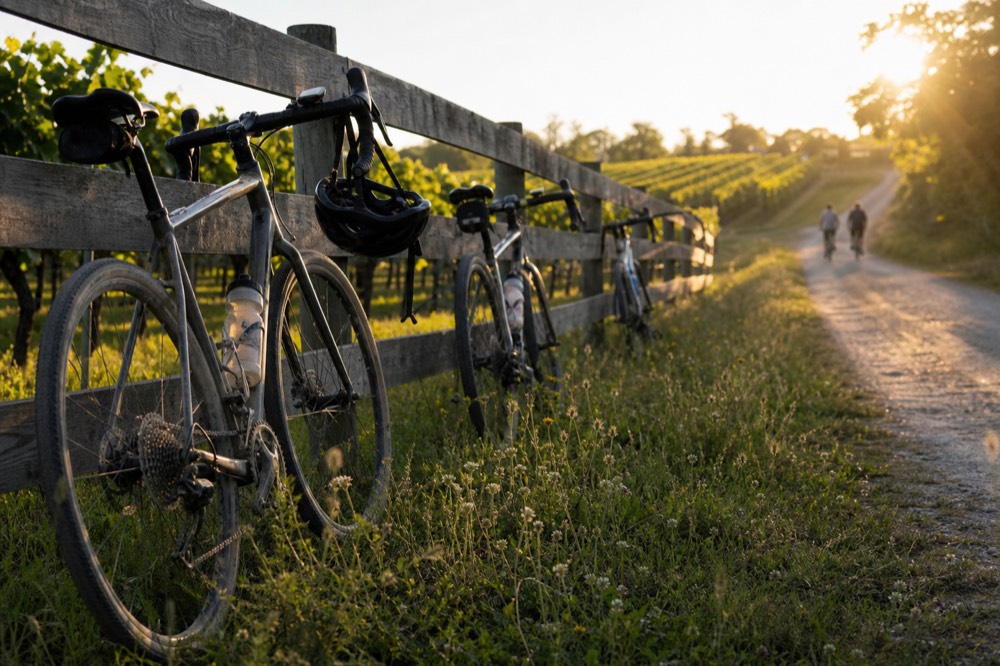
The featured electric bike day tour, which covers the village and tastings over a full day, carries a 5.0 rating from 731 reviews at $219 per person (checked September 2026), and that price band is representative of quality full-day Right Bank products. Half-day small-group tours come in meaningfully below that, and single-chateau tasting experiences below the half-day tours. The structure lets you spend what the day is worth to you.
Medoc tours price higher for structural reasons: longer driving distance, bigger vehicles, appointment fees at grand estates. What you get for that is access you would struggle to arrange alone. If your budget covers one paid tour and one self-guided day, the strongest combination is a guided Medoc day plus an independent Saint-Emilion day by train, which is exactly the split this article's logistics favor.
Which wine tour fits your travel style?
Families, casual wine drinkers, first-time Bordeaux visitors and anyone without a car should lean Saint-Emilion, where the village, the food and the walkability carry the day even if the wine is only half the reason you came. Dedicated wine enthusiasts, photographers of grand architecture and travelers who have already seen the Right Bank should lean Medoc, accepting the structured, appointment-driven format that the peninsula demands.
The honest test is what you want from the middle of the day. If the answer is a long lunch on a terrace, a wander through cobbled lanes and two relaxed tastings, the Right Bank wins without much argument. If the answer is standing in a barrel hall the length of a street, tasting verticals of structured Cabernet and learning why gravel matters, the Left Bank wins. Neither answer is wrong, and plenty of self-aware travelers do one of each.
| Traveler profile | Better fit | Why |
|---|---|---|
| First Bordeaux trip, one free day | Saint-Emilion | Direct train, walkable village, easy win |
| No car, no desire to drive | Saint-Emilion | Everything reachable on foot after the train |
| Mixed group, some not into wine | Saint-Emilion | Village, church and restaurants carry the day |
| Keen collector of classed growths | Medoc | Formal estate visits, First Growth territory |
| Photographers of grand architecture | Medoc | Iconic chateau facades along the D2 |
| Second day after the Right Bank | Medoc | The natural contrast trip |
For a Right Bank day with a different flavor, the classic-car format through Pomerol and Saint-Emilion turns the drive itself into the attraction, and the Pomerol and Saint-Emilion classic car half-day tour is the pick travelers most often compare against the standard minibus options.
Can you do both Saint-Emilion and the Medoc in one trip?
Yes, comfortably, if you give each region its own day from a Bordeaux base: the standard pattern is an independent Saint-Emilion day by train plus a guided Medoc tour on the other day, because the two regions lie in opposite directions from the city and no sensible route combines them in a single day trip. Trying to taste both banks in one long loop is possible with a private driver but wastes hours on roads you have already driven.
Bordeaux city sits between the two regions, which makes it the natural hub. A two-day plan writes itself: day one, the 30-minute train to Saint-Emilion with a booked tasting and the monuments tour; day two, a seat on a Medoc coach tour that handles the appointments and the driving. Add a third day for the city's own wine bar scene and you have the classic long weekend.
If you decide to stay overnight on the Right Bank instead of returning to Bordeaux, our where to stay in Saint-Emilion guide covers the options from the 5-star Hotel de Pavie inside the old town to vineyard guesthouses a kilometer outside the walls. Staying over also unlocks early-morning village streets before the day-trippers arrive, which is the quietest luxury the region offers. Budget travelers can enjoy the village itself for nothing but a train ticket, since the lanes, walls and viewpoints cost nothing to explore.
Whichever bank you taste first, the second is an easy follow-up from the same base, and that is the quiet advantage of a Bordeaux stay: Saint Emilion Wine Tours and the Medoc's grand estates are both within an hour of the same hotel.
If you are still weighing the two, these three formats cover the most-compared ways into the Right Bank:
The questions below cover the decision points travelers actually weigh: which region suits a first visit, whether one day can hold both banks, how the wines differ in the glass, and how far ahead each style of visit needs booking. Each answer is drawn from the same verified logistics and tasting facts as the guide above.
Common questions about Saint-Emilion vs Medoc wine tours
Saint-Emilion or Medoc: which wine tour should you pick from Bordeaux?
Pick Saint-Emilion for a walkable UNESCO village, a 30-minute direct train and relaxed Merlot-driven tastings without a car. Pick the Medoc for formal visits to grand Cabernet Sauvignon estates along an 80-plus km route, which means an organized tour or a driver. Most first-time visitors enjoy Saint-Emilion more; most dedicated wine enthusiasts eventually want both.
Can you do both Saint-Emilion and the Medoc in one day?
Not sensibly. The two regions lie in opposite directions from Bordeaux, roughly 40-45 km east to Saint-Emilion and 30-55 km northwest into the Medoc, so combining them means hours of driving between tastings. Give each region its own day, using Bordeaux as the base.
Is Saint-Emilion easier without a car than the Medoc?
Yes, by a wide margin. Direct TER trains run Bordeaux Saint-Jean to Saint-Emilion roughly hourly in about 30 minutes, and the old town is walkable once you arrive, though steep and cobbled. The Medoc has no comparable rail link, so car-free visitors there depend on organized tours.
What is the main difference between the wines of the two banks?
Saint-Emilion blends are Merlot-dominant, often with Cabernet Franc, grown on clay and limestone, and tend to taste rounder and plummier young. Medoc blends are Cabernet Sauvignon-dominant, grown on gravel, and tend to be more tannic and age-worthy, with cedar and cassis character.
Which region is better for a first Bordeaux wine tour?
Saint-Emilion, for most travelers. The village itself, the UNESCO-listed landscape and the easy train make it a low-risk, high-reward day, and its softer Merlot styles are friendlier to casual palates. The Medoc rewards visitors who already know they love structured Bordeaux.
Do you need to book Medoc chateau visits in advance?
Generally yes. Many Medoc classed growths run visits strictly by appointment, and tour products there sell on fixed schedules for the same reason. On the Right Bank, village tasting rooms are more flexible, but booking ahead is still the safer bet in peak season.