Left Bank vs Right Bank Bordeaux: Where Saint-Emilion Fits and How to Choose
Bordeaux splits into two worlds along its rivers, and the split explains almost everything about how the wines taste and how the visits feel.
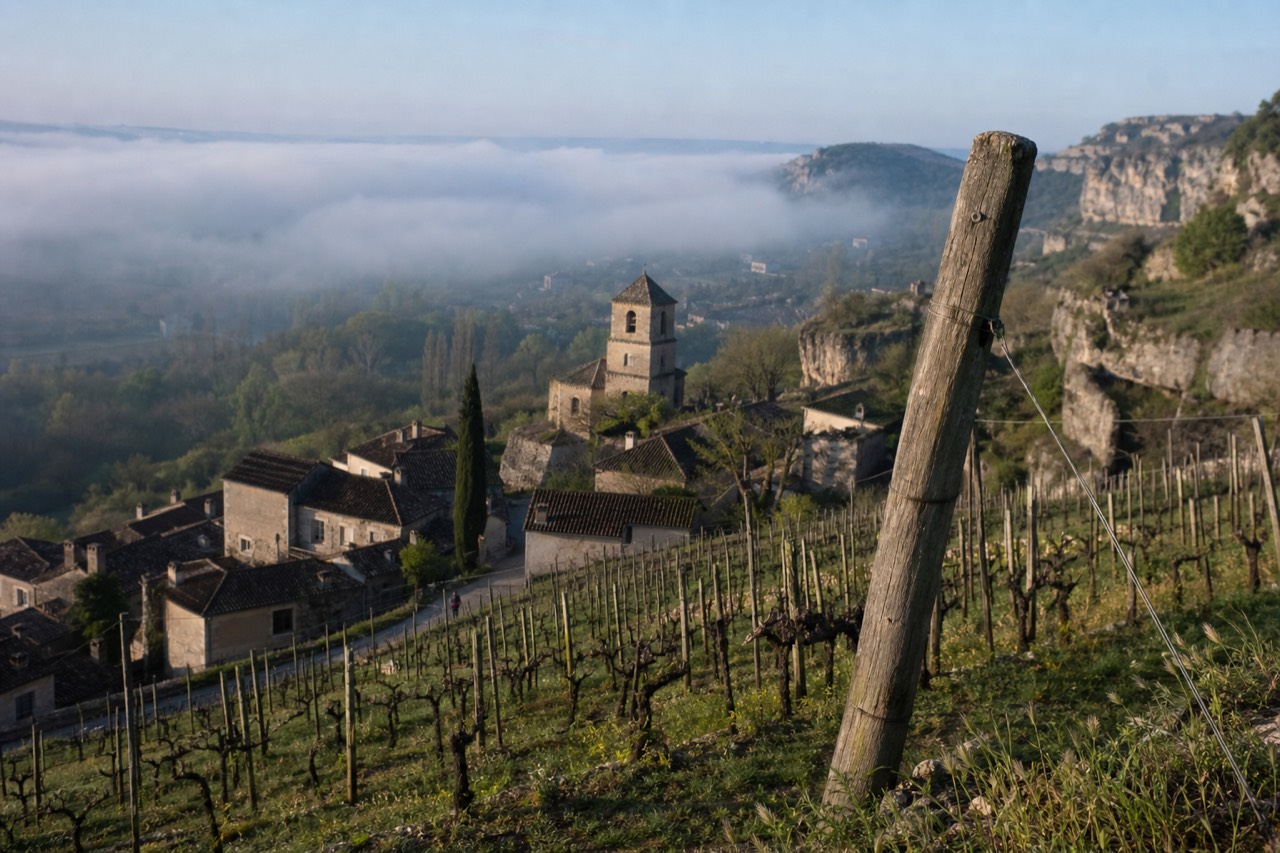
Short answer
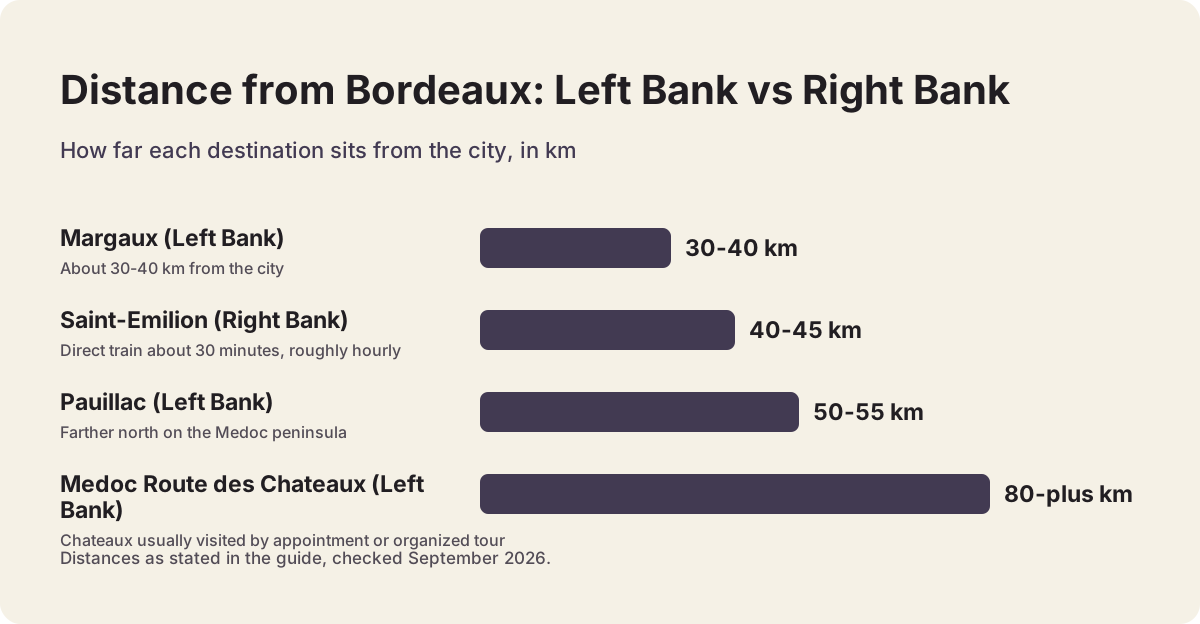
The Left Bank (Medoc, Graves) sits on gravel and builds wines around Cabernet Sauvignon; the Right Bank (Saint-Emilion, Pomerol) sits on clay and limestone and builds wines around Merlot. Saint-Emilion is a Right Bank appellation about 40-45 km from Bordeaux, and its compact UNESCO village makes it the easier bank for a walkable day trip.
Bordeaux is not one wine region but two, divided by the Gironde estuary and the rivers that feed it. West and south of the Garonne lies the Left Bank: the Medoc peninsula with Pauillac, Margaux, Saint-Julien and Saint-Estephe, plus Graves and Pessac-Leognan south of the city. North and east of the Dordogne lies the Right Bank: the Libournais, whose famous names are Saint-Emilion and its satellites, and Pomerol. The division is geographic, but it runs straight through the glass. Grapes, soils, wine styles, classification systems and even the shape of a visitor's day all differ from one bank to the other.
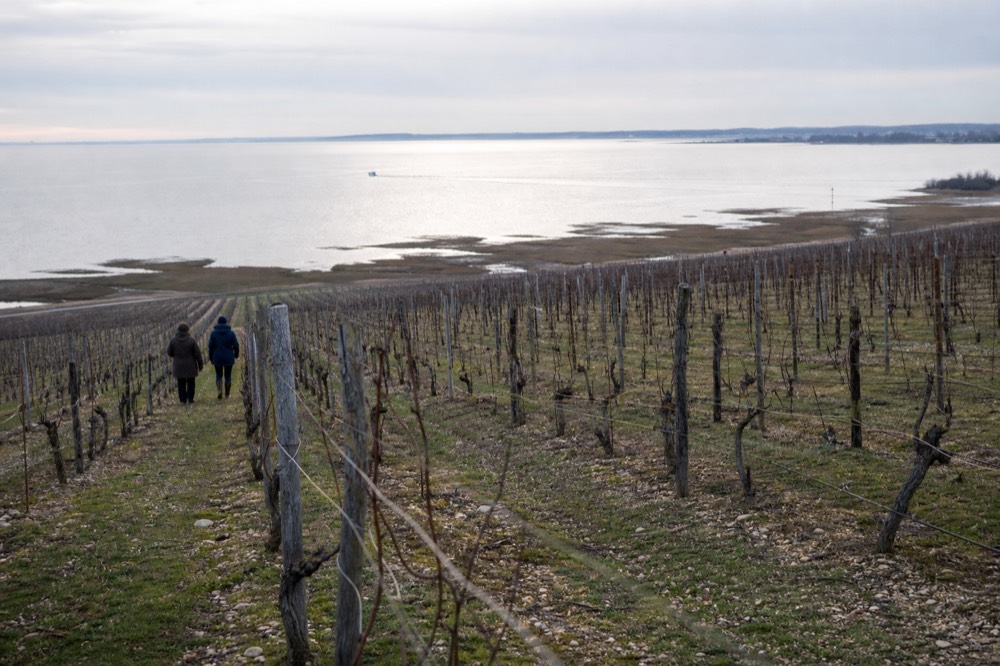
What is the difference between the Left Bank and the Right Bank of Bordeaux?
The Left Bank (the Medoc and Graves/Pessac-Leognan) grows on gravel soils and makes Cabernet Sauvignon-dominant blends, while the Right Bank (Saint-Emilion and Pomerol) grows on clay and limestone and makes Merlot-dominant blends, usually with a strong share of Cabernet Franc. The two banks sit on opposite sides of the Gironde estuary and its tributaries, and that single line of water explains most of what follows: which grapes ripen where, which wines age longer, and why a day in each area feels completely different.
Start with the map. The Garonne and Dordogne rivers meet north of Bordeaux city to form the Gironde, and everything south and west of that waterline is Left Bank. The Medoc peninsula runs some 80 km north from the city, a narrow strip of gravel banks that the river sorted over millennia. The heavy stones drain water fast and store heat, which late-ripening Cabernet Sauvignon needs to reach full phenolic ripeness. Top Left Bank estates typically plant around 60 to 85 percent Cabernet Sauvignon in their flagship blends, rounded out with Merlot, Cabernet Franc and small amounts of Petit Verdot.
Cross to the north and east side and the picture flips. The Right Bank is Merlot country: clay and limestone soils hold water and stay cooler, and Merlot, which ripens earlier than Cabernet Sauvignon, thrives there. Right Bank blends commonly run 70 to 90 percent Merlot, often with Cabernet Franc as the second grape. The style that results is plusher and more approachable young, with structure coming from limestone rather than from firm Cabernet tannin.
The visitor experience splits along the same line. The Medoc's chateaux are strung along the Route des Chateaux, an 80-plus km stretch where each estate sits behind its own gates, usually visited by appointment or on an organized tour. Saint-Emilion, by contrast, is a compact medieval village where the whole jurisdiction, vineyards included, was inscribed by UNESCO in 1999 as a living cultural landscape under the name "Juridiction de Saint-Emilion" (UNESCO listing 932). You can walk from a tasting to the monolithic church to lunch without a car. That single contrast, formal estate-by-estate driving versus a walkable village, shapes most people's choice of day trip.
| Left Bank | Right Bank | |
|---|---|---|
| Key appellations | Pauillac, Margaux, Saint-Julien, Saint-Estephe, Graves, Pessac-Leognan | Saint-Emilion and satellites, Pomerol |
| Soils | Deep gravel | Clay over limestone |
| Lead grape | Cabernet Sauvignon (typically 60-85% in top blends) | Merlot (typically 70-90%), with Cabernet Franc |
| Classic style | Structured, tannic, built for long aging | Plush, earlier-drinking, fresher fruit |
| Visit shape | Estate-by-estate along an 80+ km route, usually by car or tour | Compact walkable village, estates reachable on foot or short drives |
| Classification | Historic Medoc ranking, plus Graves and Burgundy-style classed-growth systems | Saint-Emilion classification, revised roughly every 10 years |
Where does Saint-Emilion sit, and why is it a Right Bank appellation?
Saint-Emilion sits about 40-45 km east of central Bordeaux, north and east of the Dordogne river, on the limestone plateau that defines the Right Bank; its blends are Merlot-dominant, usually with Cabernet Franc, which places it squarely in the Right Bank camp alongside neighbouring Pomerol. The appellation's identity comes from that limestone: the village itself is built from it, the famous underground church was carved out of it, and the best vine rows sit on limestone capping or clay-limestone slopes facing south.
The geology is the reason for the grapes. Merlot ripens early and does well on the cooler, water-retentive clay soils of the plateau edges, while Cabernet Franc adds aromatic lift and structure on the limestone crowns. Cabernet Sauvignon, the Left Bank's star, plays only a minor role here because it struggles to ripen fully on these soils in most vintages. When you taste a Saint-Emilion next to a Pauillac, you are tasting two different answers to the same question: what does this ground grow best?
The classification system is also distinctively Right Bank. The 2022 Saint-Emilion classification, announced 8 September 2022 and valid through the 2031 harvest, named exactly two Premier Grand Cru Classe A estates, Chateau Figeac and Chateau Pavie, plus 12 Premier Grand Cru Classe B and 71 Grand Cru Classe, 85 classified properties in total. The Left Bank, by contrast, still trades on the historic Medoc ranking drawn up in the nineteenth century, a classification that has barely changed since. We unpack how the Saint-Emilion system works in our guide to the Saint-Emilion Grand Cru classification.
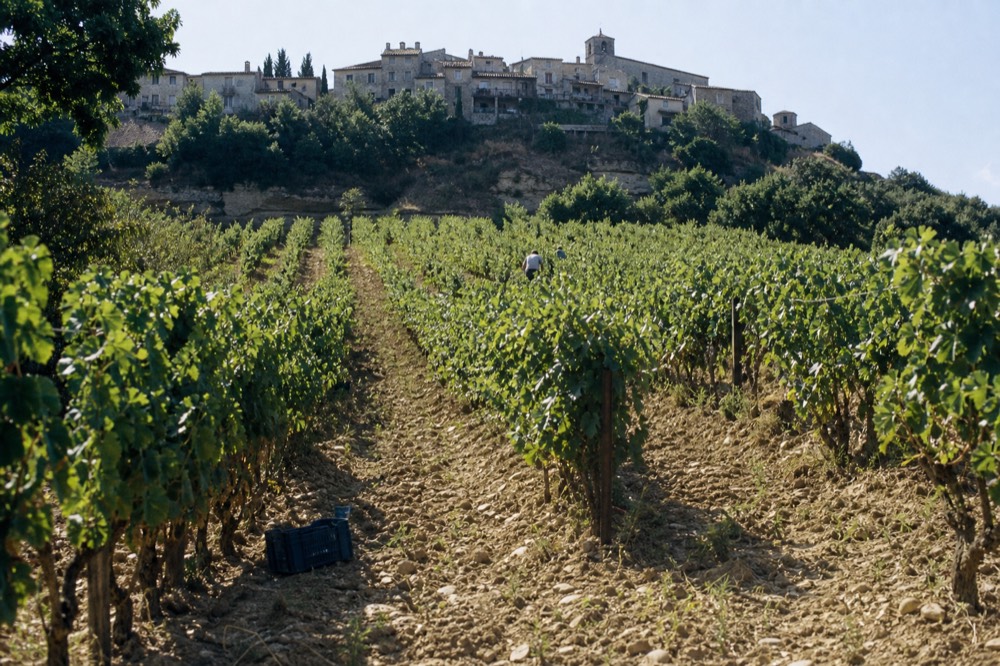
For a visitor, Saint-Emilion is the Right Bank's front door. Trains from Bordeaux Saint-Jean run roughly hourly, about 16 to 17 per day, with a journey time around 30 minutes and one-way fares typically 5-17 EUR (checked September 2026). The village is steep and cobblestoned, and the walk up from the station to the center takes roughly 20 to 30 minutes, but everything worth seeing sits within that walk. If you want the full Right Bank experience without planning a thing, a guided day that bundles the village, chateau visits and a picnic lunch does the logistics for you.
Which bank is easier to visit on a day trip from Bordeaux?
Saint-Emilion is the easier day trip: it is 40-45 km from Bordeaux, reachable in about 30 minutes by a roughly hourly direct train, and walkable once you arrive, while the Medoc's chateaux spread along an 80-plus km route and almost always require an organized tour, a driver or pre-booked appointments. Margaux is about 30-40 km from the city and Pauillac 50-55 km, but distance understates the difference: on the Left Bank the drive is the experience, and the estates are the destination, not a village.
The practical numbers favour the Right Bank for spontaneity. A direct TER train costs typically 5-17 EUR one way (checked September 2026) and drops you a 20-30 minute uphill walk from the village center. Once there, you can visit the monolithic church and underground monuments through the tourist office's official tour, typically 11-15 EUR for adults (checked September 2026), with reservations recommended in peak season. Drivers face the opposite trade-off: parking inside the pedestrianized historic core is limited, and edge lots run around 2 EUR per hour at some locations (checked September 2026), filling quickly in summer.
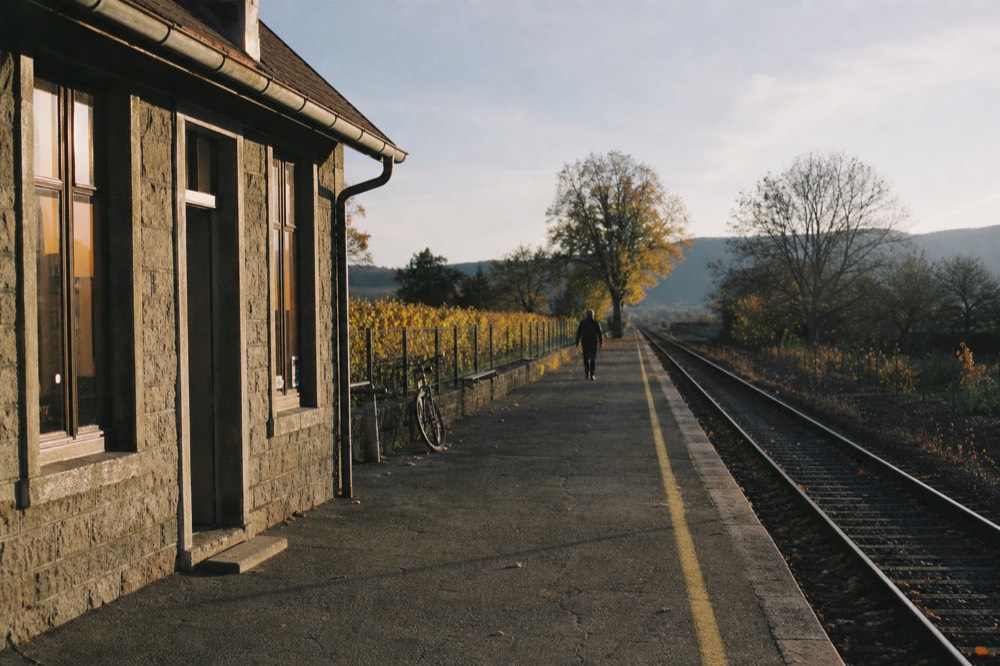
The Left Bank rewards structure. Because the chateaux sit behind gates along the peninsula, most visitors book a small-group or private tour from Bordeaux, or drive with a pre-planned list of appointments. The experience is more formal: cellars built in the grandeur of the Medoc's classed growths, tasting rooms designed for trade buyers, and itineraries measured in estates rather than in streets. Many travellers love exactly this. It simply is not something you can improvise on a Tuesday morning the way you can with Saint-Emilion.
One honest caveat cuts the other way: Saint-Emilion's popularity is its own cost. The village is small, and in peak season the lanes, the monuments tour and the best lunch tables all feel it. The Medoc, spread over 80 km, rarely feels crowded even in August. If you are choosing between the two for a high-summer visit and crowds bother you more than logistics do, the Left Bank deserves the edge. Our head-to-head on the two wine tours goes deeper on this trade: Saint-Emilion versus the Medoc, which to pick.
A village-and-chateaux day tour solves the peak-season problem neatly, since the operator holds the tasting reservations and the lunch table for you.
What grapes and soils separate the two banks?
Gravel and clay-limestone are the whole story: the Left Bank's deep gravel banks drain fast and store heat, suiting late-ripening Cabernet Sauvignon, while the Right Bank's cooler, water-retentive clay over limestone favours early-ripening Merlot and Cabernet Franc. Everything else, blending percentages, aging curves, even which foods the wines suit, follows from that geological accident of river deposits.
The percentages tell it plainly. Top Left Bank estates typically build flagship blends around 60 to 85 percent Cabernet Sauvignon; Right Bank blends commonly run 70 to 90 percent Merlot. Cabernet Sauvignon gives the Left Bank its signature: dark cassis, firm tannin, and the structure to age for decades. Merlot gives the Right Bank its own: plusher plum and black cherry fruit, softer tannin, and wines that charm far younger. Cabernet Franc, the Right Bank's quiet weapon, adds violet, spice and a graphite edge, and in great vintages at estates like Figeac it can approach parity in the blend.
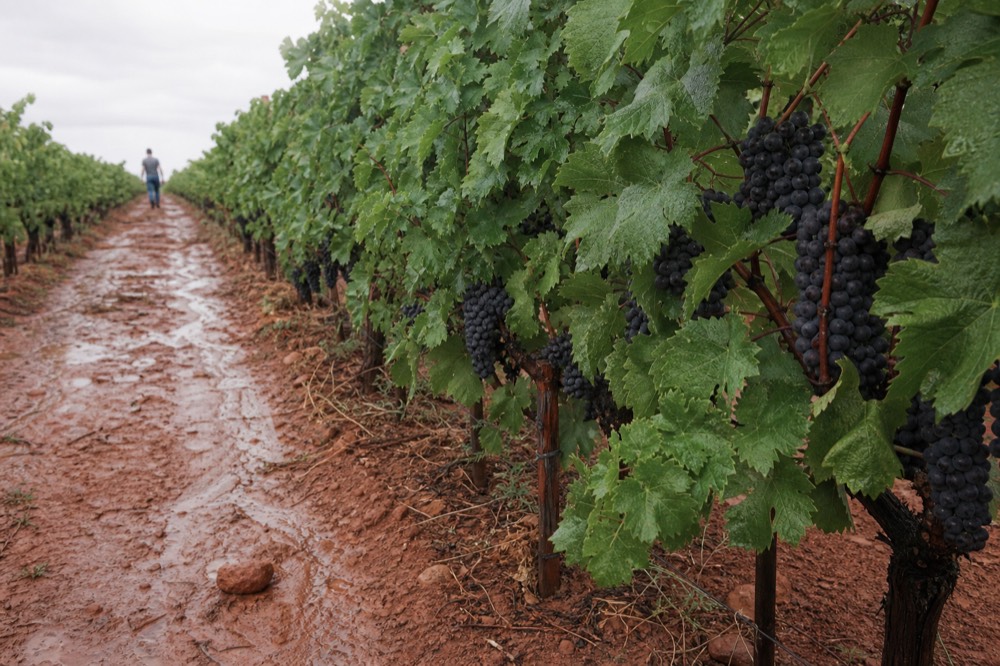
Soil also explains why the two banks respond differently to difficult vintages. Gravel's fast drainage means Left Bank vines stress in drought but avoid waterlogging in wet years; clay's water reserve means Right Bank vines hold on in dry summers but can swell the crop in rain. The 2026 season illustrated this vividly on the Right Bank: Saint-Emilion AOC was one of 12 Bordeaux appellations granted a drought-related irrigation derogation for young vines by mid-July 2026, and Chateau Troplong Mondot began picking Merlot on 19 August 2026, a start date described as unprecedented for the appellation.
| Factor | Left Bank | Right Bank |
|---|---|---|
| Dominant soil | Deep gravel banks | Clay over limestone |
| Lead grape | Cabernet Sauvignon | Merlot |
| Key supporting grape | Merlot, Cabernet Franc, Petit Verdot | Cabernet Franc |
| Typical blend, flagship wines | ~60-85% Cabernet Sauvignon | ~70-90% Merlot |
| Style in youth | Firm, tannic, needs food or time | Plush, approachable |
| Signature aroma | Blackcurrant, cedar, graphite | Plum, black cherry, violet |
For a taster visiting both banks in one week, the practical takeaway is simple: expect to taste the Left Bank's structure as an argument, and the Right Bank's fruit as an invitation. Neither is better. They are the same grape families, planted by people reading the same market, on opposite sides of a river.
How do the classifications and prices compare?
The Left Bank's fame rests on the historic Medoc ranking, a near-fixed list of classed estates, while the Right Bank uses the Saint-Emilion classification, revised roughly every decade, whose 2022 edition named 85 properties: 2 Premier Grand Cru Classe A, 12 B, and 71 Grand Cru Classe; on prices, Left Bank First Growths carry a higher trade reputation than Saint-Emilion's top names, but no verified retail comparison exists. The honest line on the price question is that reputation is not a number.
The two systems reward different things. The Medoc ranking was a broker's snapshot of market prices, frozen almost ever since, and its famous First Growths, Lafite, Latour, Margaux and Mouton, plus Haut-Brion just south in Graves, still anchor the world's idea of Bordeaux. The Saint-Emilion classification is a living review: properties submit dossiers, blind tastings and reputation surveys are weighed, and estates can be promoted or demoted. The 2022 edition promoted Chateau Figeac to the top A tier alongside Chateau Pavie, a genuine shock to the trade given how rarely that top rank changes hands.
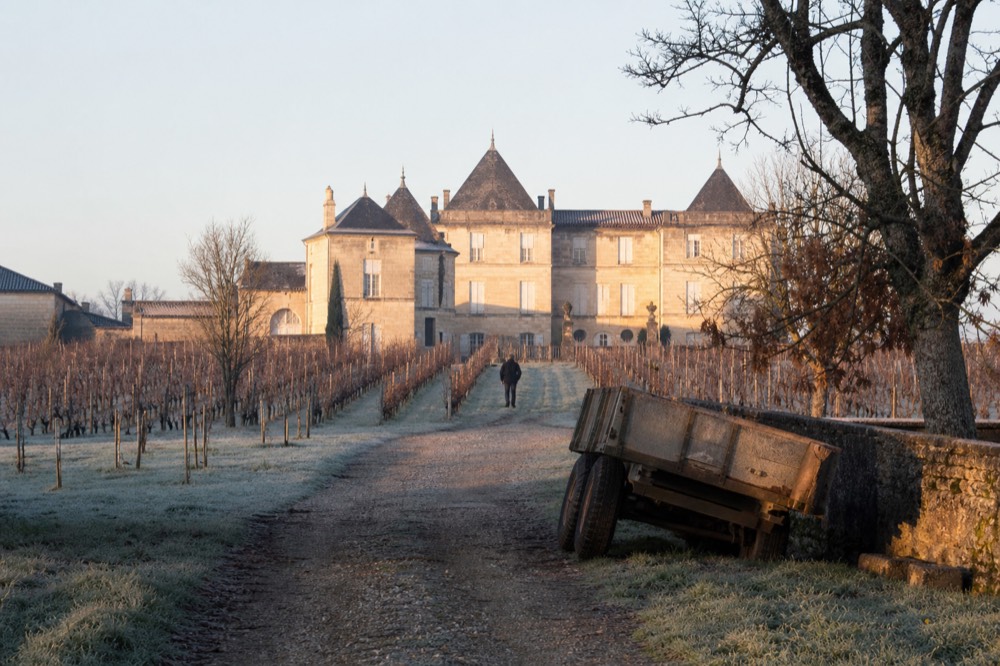
For visitors, classification tiers matter less than visitability. Many of the Medoc's most famous names are hard to visit without trade connections, while Saint-Emilion's top estates open their doors: Chateau Pavie, one of the two A-tier properties, runs small-group cellar and vineyard tours from around 60 EUR direct (checked September 2026), and Chateau Fonroque, organic since 2006 and biodynamic since 2008, pours two wines on a private visit for around 25 EUR (checked September 2026). A general industry note puts the average cellar tour plus tasting experience in the area near 29 EUR (checked September 2026). Our rundown of the best chateaux to visit around Saint-Emilion lists who takes walk-ins and who needs booking.
| Question | Left Bank | Right Bank (Saint-Emilion) |
|---|---|---|
| Classification system | Historic Medoc ranking, barely changed | Revised ~every 10 years; 2022 edition runs to 2031 harvest |
| Top tier | The famous First Growths | 2 Premier Grand Cru Classe A (Figeac, Pavie) |
| Total classified estates | A short, fixed list of classed growths | 85 in the 2022 list |
| Ease of visiting top estates | Hard; trade connections or rare openings | Good; Pavie tours from ~60 EUR direct (checked September 2026) |
| Price reputation | First Growths trade highest | A-tier wines trade below them, per trade reputation |
Which bank should you choose for your first Bordeaux wine trip?
Choose the Right Bank and Saint-Emilion if you want a walkable village, earlier-drinking Merlot-led wines and a trip you can do by train; choose the Left Bank if you dream of the famous classed estates, structured Cabernet-led wines and a day built around formal chateau appointments, which almost always means a booked tour or a driver. Most first-time visitors with one day to spend pick Saint-Emilion, and the logistics explain why.
The decision usually comes down to three honest questions. First, do you want to drive? If not, the Right Bank wins outright: the train does the work and the village does the rest. Second, which wine style do you actually enjoy drinking? If you love big, age-worthy, tannic reds, the Left Bank's cellars will feel like coming home; if you prefer softer, fruit-forward bottles, the Right Bank pours your wine. Third, how much planning do you want to do before you land? The Left Bank rewards planners and punishes improvisers. Saint-Emilion forgives almost everything.
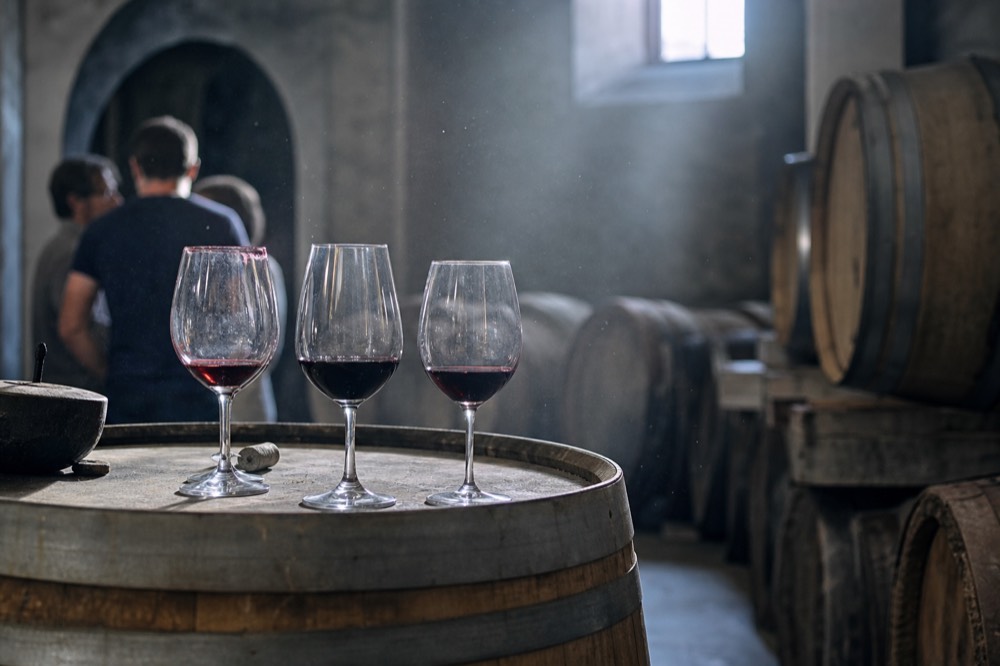
There is also a food angle, and it favours the Right Bank for a day trip. Saint-Emilion village packs its restaurants within a few cobbled streets, from La Creperie du Parvis at the budget end through L'Envers du Decor's bistro plates and La Table 38 up to the Michelin-starred Logis de la Cadene and the two-star La Table de Pavie. High review volumes at the top spots make booking ahead the safer bet in peak season rather than a confirmed necessity. The Medoc's Route des Chateaux offers far fewer village lunch stops; most tours there build lunch into the itinerary or return you to Bordeaux hungry.
If you want the Right Bank's food and wine in one package, a food-and-wine day tour pairs tastings with the region's table in a single itinerary.
Can you visit both banks in one trip to Bordeaux?
Yes, comfortably: with Saint-Emilion 40-45 km east and Margaux 30-40 km northwest of the city, Bordeaux makes a natural base for one Right Bank day and one Left Bank day, and travellers with three or four days can taste both banks back to back and understand the whole region through the comparison. The two day trips are different in kind, and that contrast is the point.
A sensible pattern is Saint-Emilion first. It is the easier introduction: arrive by train, walk the village, taste Merlot-led blends at two or three chateaux, and finish with a long lunch. Then take a Left Bank day, usually a booked small-group tour, and taste the same grape family's opposite expression in Pauillac or Margaux. Tasting both within a couple of days does something no single visit can: it makes the river's logic audible. You stop tasting "Bordeaux" and start tasting gravel versus limestone.
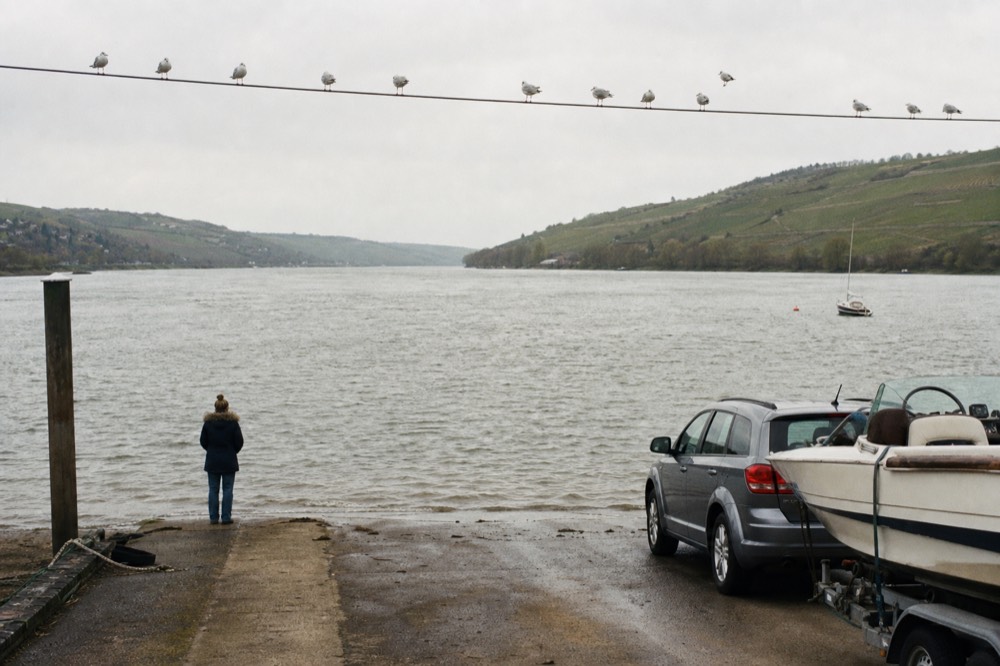
Time-boxed travellers should know where the banks sit relative to each other. Pauillac, the deepest of the classic Medoc communes, is 50-55 km from central Bordeaux and generally an hour or more of driving, while Saint-Emilion is 37-53 minutes away depending on traffic. Doing both banks on the same day is technically possible with a private driver but defeats the purpose: you will spend the day in a car and taste rushed. Split them across two days and give each its own rhythm.
If you only have half a day free, the Right Bank is the one that fits. A half-day tasting tour from Bordeaux can reach Saint-Emilion, visit a chateau and be back in the city by early evening, something the Medoc's distances do not allow.
Is Pomerol part of the same Right Bank story as Saint-Emilion?
Yes: Pomerol sits just west of Saint-Emilion on the same Right Bank side of the Dordogne, shares the Merlot-dominant, clay-soil profile, and is often visited alongside Saint-Emilion, though it has no classified estates at all and almost no village life, which makes it a wine stop rather than a destination in itself. Its most famous name, Petrus, never needed a ranking to command the world's attention.
Pomerol is the Right Bank's purest expression. Its clay, including the famous blue clay of the plateau, grows Merlot of almost syrupy density, and the appellation's small estates produce a fraction of Saint-Emilion's volume. Unlike Saint-Emilion, Pomerol never joined a classification system: its producers have consistently refused to rank themselves, and the appellation's market prices do the ranking instead.
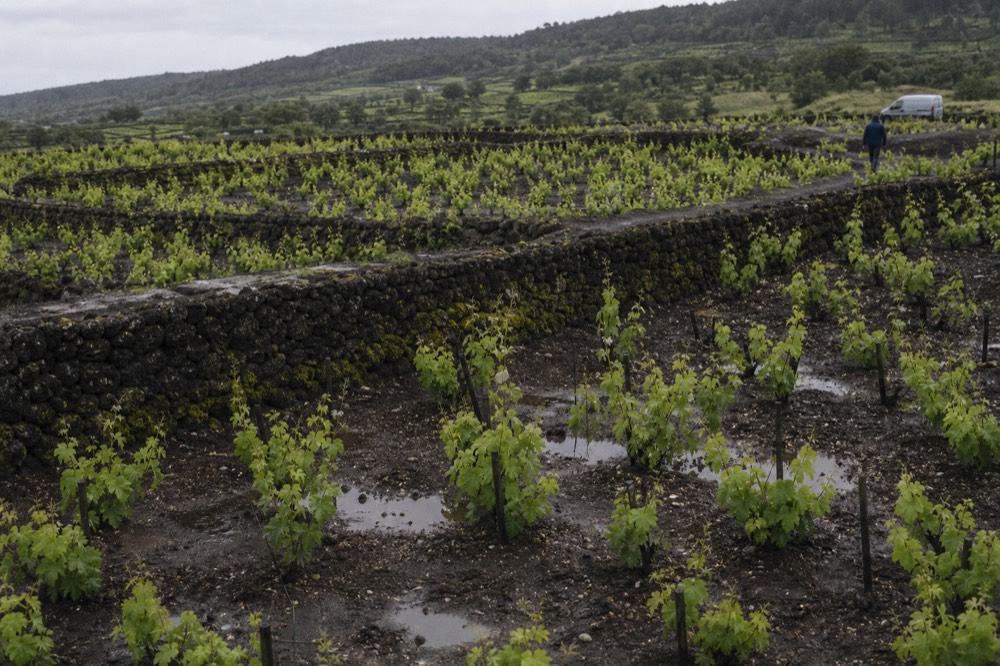
For a visitor, the practical difference is stark. Saint-Emilion offers a village, monuments, restaurants and a dozen visitable chateaux within a short radius, while Pomerol is a scatter of farmyards and gates, most of them closed to casual visitors. Tours that combine the two usually spend the morning in Pomerol or the Saint-Emilion satellites by minibus and the afternoon in the village. If your time is short and you want the fullest Right Bank taste, Saint Emilion Wine Tours is built around exactly that: the village, its classified estates and the Merlot country around it.
That is the real answer to the left bank versus right bank question, by the way. It is not which bank is better. It is that the Right Bank gives you a place to be, and the Left Bank gives you a route to drive. Choose the one that matches the trip you actually want.
The Left Bank is Cabernet Sauvignon country on gravel, the Right Bank is Merlot country on clay and limestone, and Saint-Emilion is the Right Bank's walkable, train-friendly front door. The questions below cover the split, the day-trip logistics, the price reputation gap and how to fit both banks into one trip, with short, sourced answers.
Common questions about Left Bank vs Right Bank Bordeaux
What is the difference between the Left Bank and the Right Bank of Bordeaux?
The Left Bank (the Medoc and Graves) sits on gravel soils and makes Cabernet Sauvignon-dominant blends; the Right Bank (Saint-Emilion and Pomerol) sits on clay and limestone and makes Merlot-dominant blends, usually with Cabernet Franc. The split follows the Gironde estuary and its rivers.
Is Saint-Emilion Left Bank or Right Bank?
Saint-Emilion is Right Bank. It lies north and east of the Dordogne river, about 40-45 km from central Bordeaux, on clay-limestone soils that favour Merlot and Cabernet Franc, and its blends typically run 70-90 percent Merlot.
Which bank is better for a day trip from Bordeaux?
Saint-Emilion on the Right Bank is the easier day trip: a roughly hourly direct train takes about 30 minutes and the village is walkable. The Medoc's chateaux spread along an 80-plus km route and usually need an organized tour, a driver or pre-booked appointments.
Do Left Bank wines cost more than Right Bank wines?
Left Bank First Growths such as Lafite and Latour are generally reputed in the wine trade to command higher prices than Saint-Emilion's Premier Grand Cru Classe A wines, but that is trade reputation, not a verified retail figure. Both banks offer excellent bottles at every price level below the trophy tier.
Can you visit both banks in one trip?
Yes. Bordeaux makes a natural base for one Right Bank day trip to Saint-Emilion and one Left Bank day trip to the Medoc, and tasting both within a few days is the fastest way to understand what the river split means in the glass.
Which grapes grow on each bank?
The Left Bank leads with Cabernet Sauvignon, typically 60-85 percent in top blends, on gravel soils. The Right Bank leads with Merlot, typically 70-90 percent, often supported by Cabernet Franc, on clay and limestone.