Saint Emilion Wine Classification Explained: Grand Cru Tiers, the 2022 Ranking and What It Means for Your Visit
Saint Emilion ranks its own estates every ten years, and the 2022 list names 85 classified properties across three tiers. Here is what each tier means, who holds it, and how to taste your way through it.
Short answer
The Saint Emilion wine classification, revised in September 2022, ranks 85 properties: 2 Premier Grand Cru Classe A (Chateau Figeac and Chateau Pavie), 12 Premier Grand Cru Classe B, and 71 Grand Cru Classe. A broader Grand Cru appellation tier sits below. The ranking is valid through the 2031 harvest and is France's only regularly revised wine classification.
Saint Emilion is the only major French wine region that re-ranks its own estates on a rolling ten-year cycle. The 2022 classification, announced on 8 September 2022, names exactly 85 classified properties: 2 at the very top, 12 in the second tier and 71 in the third. Those numbers decide what appears on the labels you will see in every cellar door and wine shop in the village, and they shape which chateaux welcome visitors and at what price.
This guide walks through the classification tier by tier, names the estates at the top, separates Grand Cru from Grand Cru Classe (two labels that confuse almost everyone), and maps the tiers onto tours you can actually book. If you are planning a visit, the pages on Saint Emilion Wine Tours cover the tasting side in depth, and the companion guide to the best wineries and chateaux to visit lists estates you can walk into.
What is the Saint Emilion wine classification?
The Saint Emilion classification is an official ranking of the appellation's estates, revised on a roughly ten-year cycle and most recently updated on 8 September 2022. It grades 85 properties into three tiers, Premier Grand Cru Classe A, Premier Grand Cru Classe B and Grand Cru Classe, based on terroir, vineyard practice, wine quality and reputation. It is the only French wine classification that is periodically re-evaluated, so estates can be promoted or demoted.
The ranking exists because Saint Emilion wanted its own answer to the Left Bank's famous classified-growth list, which covered the Medoc and Sauternes but skipped the Right Bank entirely. The local producers' syndicate drew up its own ranking, and French authorities gave it official standing. Since then it has been revised on the ten-year rhythm, and the 2022 edition is the current word.
That last revision matters to visitors more than most. The 2022 list promoted Chateau Figeac to the top A tier for the first time, alongside Chateau Pavie, and it is valid through the 2031 harvest. A Saint Emilion estate's rank is a living judgment, renewed against its current wines rather than its grandfather's reputation.
The classification is also the reason the village itself became a pilgrimage site for wine lovers. The whole "Juridiction de Saint-Emilion" was inscribed by UNESCO in 1999 as a living cultural landscape of historic vineyards, one of the first wine-producing landscapes to receive that status, per the official UNESCO listing. The estates being ranked are woven into a protected landscape you can walk through.
How does the 2022 classification work, tier by tier?
The 2022 list has three tiers of classified estates. At the top sit 2 Premier Grand Cru Classe A properties, Chateau Figeac and Chateau Pavie. Below them come 12 Premier Grand Cru Classe B estates, including Chateau Canon, Chateau Beau-Sejour Becot and Chateau Troplong Mondot. The third tier holds 71 Grand Cru Classe properties, for 85 classified estates in total. A fourth label, plain Grand Cru, covers a much wider appellation-level group.
The tiers are not subtle marketing bands. They are the result of a formal review covering terroir, vineyard practices, winemaking standards, sales performance and the estate's reputation, laid out in the official 2022 classification announcement. An estate that slips in quality can lose its rank at the next revision, which is exactly what past revisions have demonstrated in their final lists.
Here is the full structure at a glance:
| Tier | Count (2022) | What it means on the label | Estates you may meet on a visit |
|---|---|---|---|
| Premier Grand Cru Classe A | 2 | The appellation's top rank, held by Chateau Figeac and Chateau Pavie | Chateau Pavie runs visits from around 60 EUR (checked September 2026) |
| Premier Grand Cru Classe B | 12 | Second rank, still elite; most are historic estates open to visits | Chateau Troplong Mondot, Chateau Canon and others |
| Grand Cru Classe | 71 | Third rank; classified estates reviewed and renewed each cycle | Chateau Balestard La Tonnelle, Chateau Grand Corbin-Despagne, Chateau Villemaurine |
| Grand Cru (appellation tier) | Several hundred | A legal appellation label, not a classification rank; requirements are lower | Many village-area estates |
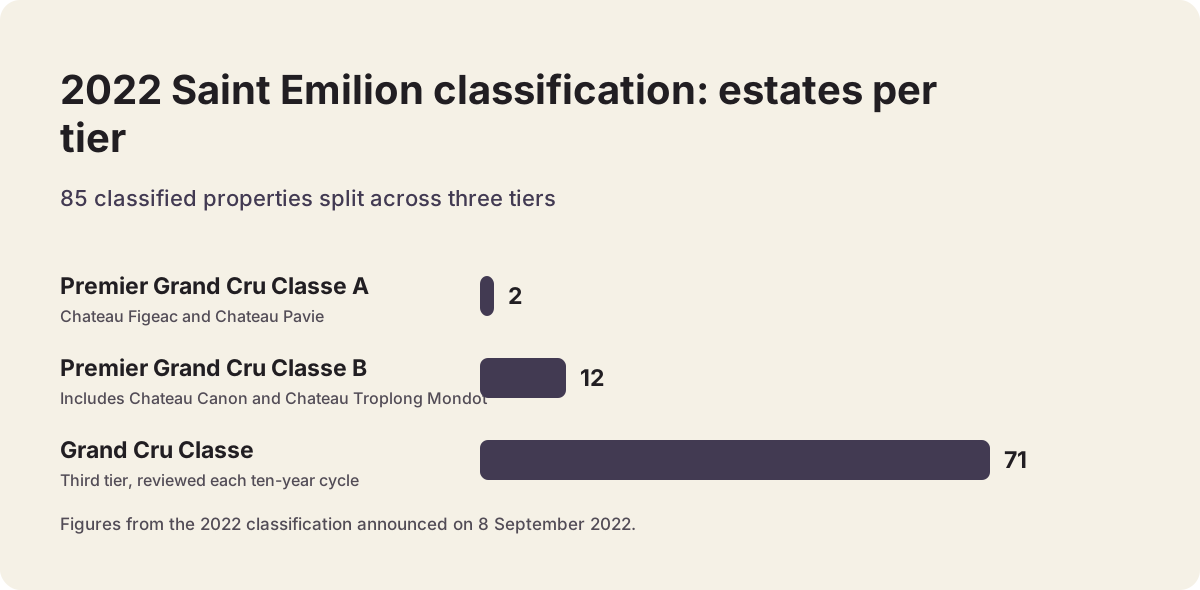
The pyramid is steep. Out of the several hundred estates entitled to the Saint Emilion Grand Cru appellation, only 85 hold a classified rank, and only 2 sit at the very top. That scarcity is why a bottle from Figeac or Pavie carries a different price entirely from a village-level Grand Cru, and why a tasting that includes classified estates is the quickest way to feel the difference.
If you want to taste the tiers rather than read about them, three tours cover the classified ground well: a Grand Cru Classe tasting led in English, a Grand Cru Classe winery visit with cellar tour, and a private tour pairing the underground monuments with Grands Crus tastings.
The tasting in English is the most direct fit for this page: it exists precisely to explain what a classified Saint Emilion wine tastes like, with someone walking you through the labels. The winery visit adds the cellar and vineyard side of the story, and the private underground-monuments tour folds the village's monolithic church heritage into the same afternoon.
Which estates sit at the top of the 2022 classification?
The two Premier Grand Cru Classe A estates are Chateau Figeac and Chateau Pavie. Figeac was promoted in 2022, joining Pavie, which retained its A rank. The 12 Premier Grand Cru Classe B estates are Chateau Beau-Sejour Becot, Chateau Beausejour Heritiers Duffau-Lagarrosse, Chateau Belair-Monange, Chateau Canon, Chateau Canon La Gaffeliere, Chateau Larcis Ducasse, Chateau Pavie Macquin, Chateau Troplong Mondot, Chateau Trottevieille, Chateau Valandraud, Clos Fourtet and La Mondotte.
Figeac's promotion was the headline of the 2022 announcement. The estate sits on Saint Emilion's rare gravel spur, which is why its blend leans further into Cabernet than most of its neighbors, a geographic quirk covered in more depth in our guide to Left Bank vs Right Bank Bordeaux and Saint Emilion. Pavie, on the other side of the village, is the archetype of the limestone-and-clay Merlot slope.
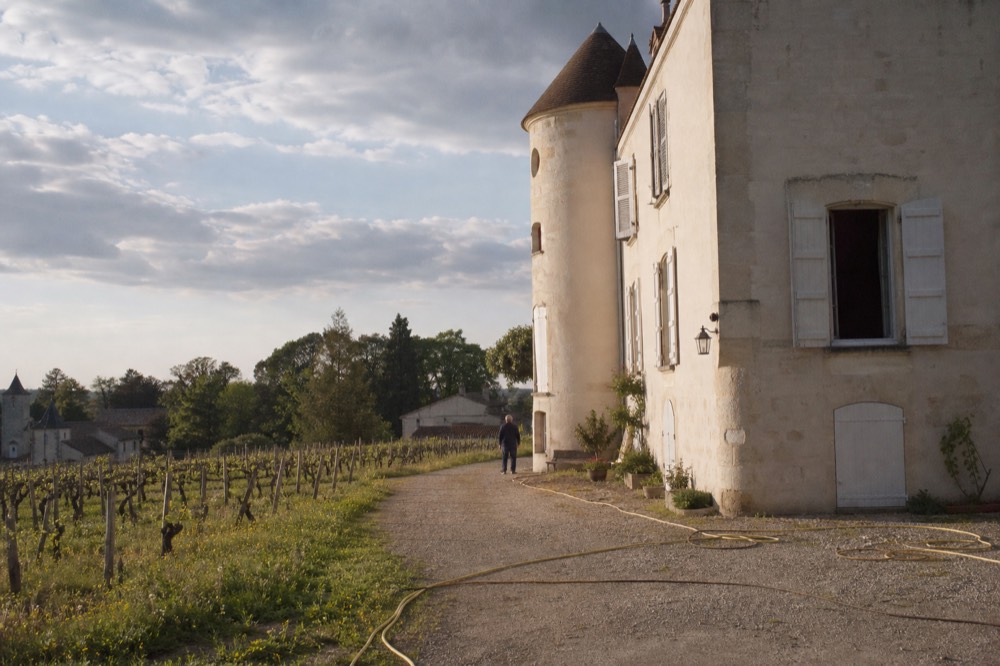
The B tier reads like a directory of the appellation's most visitable famous names:
| Premier Grand Cru Classe B estate | Notes for visitors |
|---|---|
| Chateau Canon | Historic estate within walking reach of the village walls |
| Chateau Beau-Sejour Becot | Known for its sculpted underground cellars |
| Chateau Troplong Mondot | Hilltop estate; began picking Merlot on 19 August 2026, an unprecedented early start |
| Clos Fourtet | Limestone-plateau estate beside the village |
| Chateau Belair-Monange | Steep-slope vineyard overlooking the Dordogne valley |
| Chateau Canon La Gaffeliere | Family-run estate adjacent to Pavie Macquin |
The remaining six B-tier names, Beausejour Heritiers Duffau-Lagarrosse, Larcis Ducasse, Pavie Macquin, Trottevieille, Valandraud and La Mondotte, complete the dozen. Several of these estates welcome visitors by appointment, and a private tasting is the realistic way into most of them; the top two, Figeac and Pavie, run small-group visits, with Pavie's starting from around 60 EUR direct (checked September 2026).
If a classified tasting is the part of the trip you are most excited about, the English-language Grand Cru Classe tasting is built exactly for that, and it pairs naturally with a look at the village's classified-estate geography.
What does Grand Cru Classe mean on a Saint Emilion label?
Grand Cru Classe means the estate holds an official rank in the Saint Emilion classification, reviewed and renewed each cycle, currently 71 properties in the 2022 list. It is a genuine quality distinction: the estate passed a formal review of its terroir, practices and wines. It sits above the plain Grand Cru appellation label and below the two Premier Grand Cru tiers, and it must be re-earned roughly every ten years.
The "Classe" suffix is doing all the work on that label. A Grand Cru Classe estate has been through the classification machinery: dossier submissions, tastings, vineyard inspections, audits of reputation and sales. Its rank is attached to the estate, not to a specific plot or a specific bottle, and it applies to the estate's Saint Emilion production as a whole.
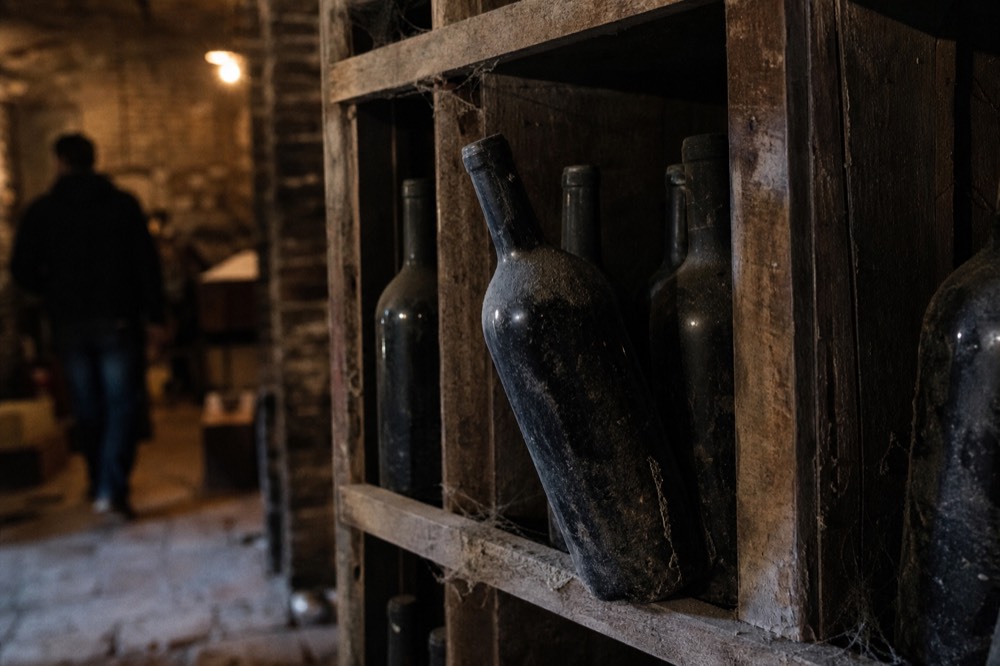
For a visitor, the 71 Grand Cru Classe estates are where the classification becomes tangible. Chateau Fonroque, organic since 2006 and biodynamic since 2008, offers estate tours and tastings of two wines from around 25 EUR in a private visit (checked September 2026). Chateau Balestard La Tonnelle opens its panoramic terrace for public open-house events. Chateau Grand Corbin-Despagne, family-owned for more than 500 years, participates in the same open-door days. Chateau Villemaurine appears in the official tourism program with regular visit and tasting options.
That spread is worth pausing on. The classified tier is not a wall of inaccessible icons; it includes working family estates that host visitors daily, and the open-house weekends listed in the official program are among the cheapest ways to taste classified wine in the region.
How does Grand Cru differ from Grand Cru Classe?
Grand Cru, without "Classe", is an appellation-level label that several hundred Saint Emilion estates can use, provided their vineyards sit inside the designated zone and meet the appellation's production rules. It involves no ranking, no review panel and no promotion or demotion. Grand Cru Classe is the classification proper, held by only 85 estates in 2022. In short: Grand Cru is a geographic entitlement, Grand Cru Classe is an earned and revocable rank.
The confusion is understandable because in Burgundy the words mean something closer to the opposite, with Grand Cru sitting above Premier Cru. In Saint Emilion the ladder runs the other way, and the two words are separated by a review process that one label passes and the other never enters.
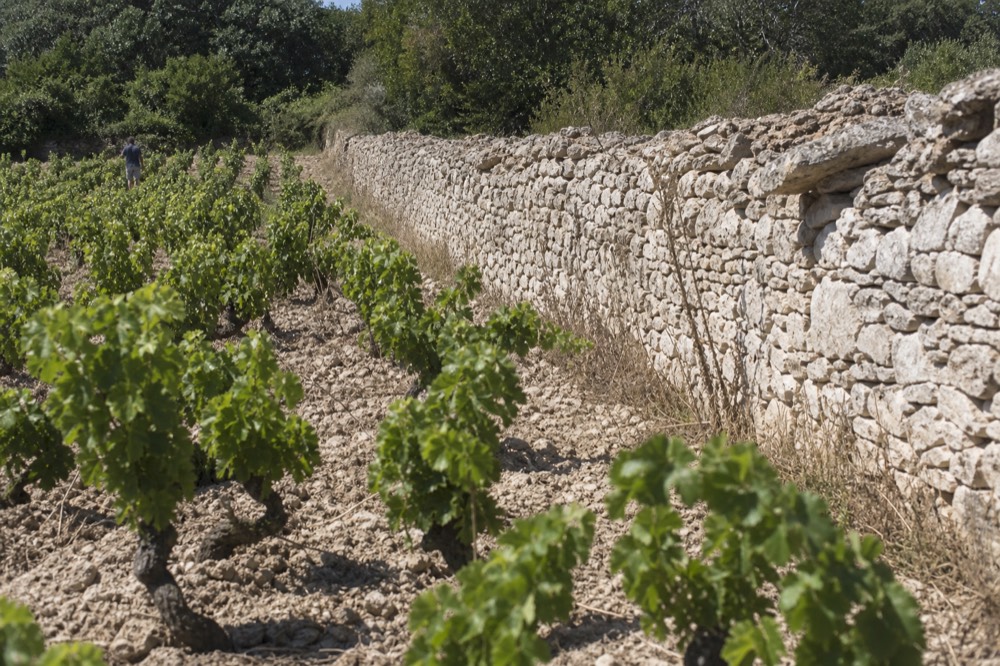
A plain Grand Cru can still be very good wine. The appellation rules govern yields, planting density, minimum alcohol and vineyard siting across the whole jurisdiction, so the floor is respectable. But there is no mechanism lifting a Grand Cru into the classified ranks except a successful run at the next revision, and no guarantee the estate even applies.
| Label | Who can use it | Reviewed periodically? | Approximate share of the appellation |
|---|---|---|---|
| Saint Emilion Grand Cru | Any estate in the designated zone meeting appellation rules | No, it is a standing appellation tier | Several hundred producers |
| Saint Emilion Grand Cru Classe | 71 estates ranked in the 2022 classification | Yes, each roughly 10-year cycle | 71 of the appellation's producers |
| Saint Emilion Premier Grand Cru Classe B | 12 estates | Yes | 12 |
| Saint Emilion Premier Grand Cru Classe A | 2 estates, Figeac and Pavie | Yes | 2 |
When you are reading a wine list in the village, this table is the shortcut. A Grand Cru Classe is a ranked estate; a Grand Cru is the appellation; anything with "Premier" in front of it belongs to a dozen or fewer properties in the entire appellation.
Which classified chateaux can you actually visit?
Several classified estates welcome visitors, from both Premier Grand Cru tiers and the Grand Cru Classe rank. Chateau Pavie, one of the two A estates, runs small-group tours from around 60 EUR booked direct (checked September 2026). Among Grand Cru Classe properties, Chateau Fonroque, Chateau Balestard La Tonnelle, Chateau Grand Corbin-Despagne and Chateau Villemaurine all offer visits or tastings, and the official open-house days widen access further.
Access splits into three routes. The first is direct booking with the chateau, which is how the Pavie and Fonroque visits above work, and it suits travelers who want one specific estate. The second is the region's open-house program, when classified estates that normally require appointments open their gates for walk-around tastings. The third is a guided tour that bundles classified tastings with transport, which is what most day-trippers from Bordeaux end up choosing.
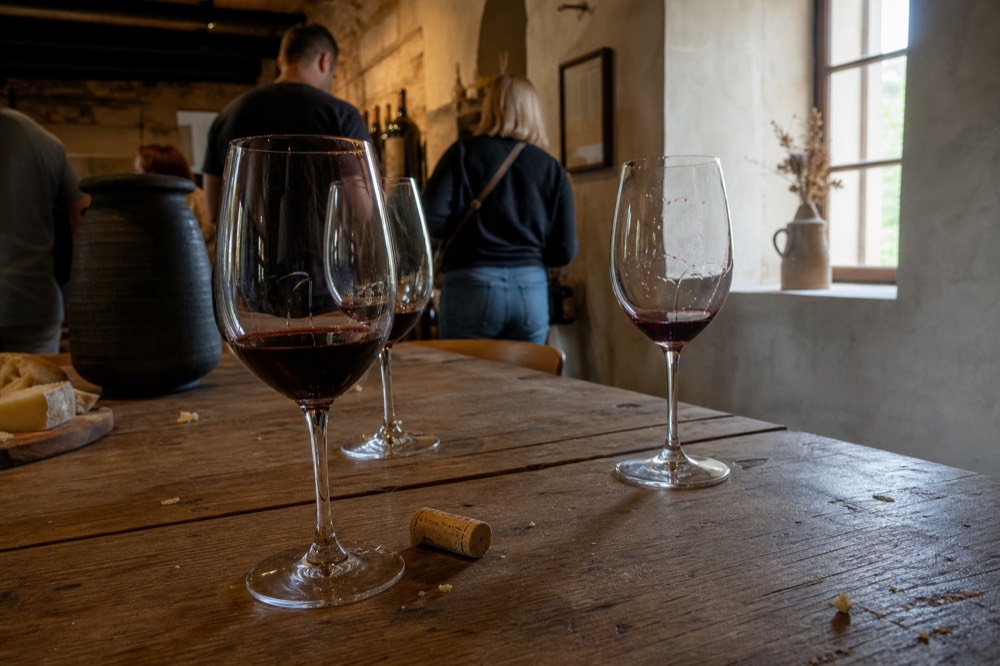
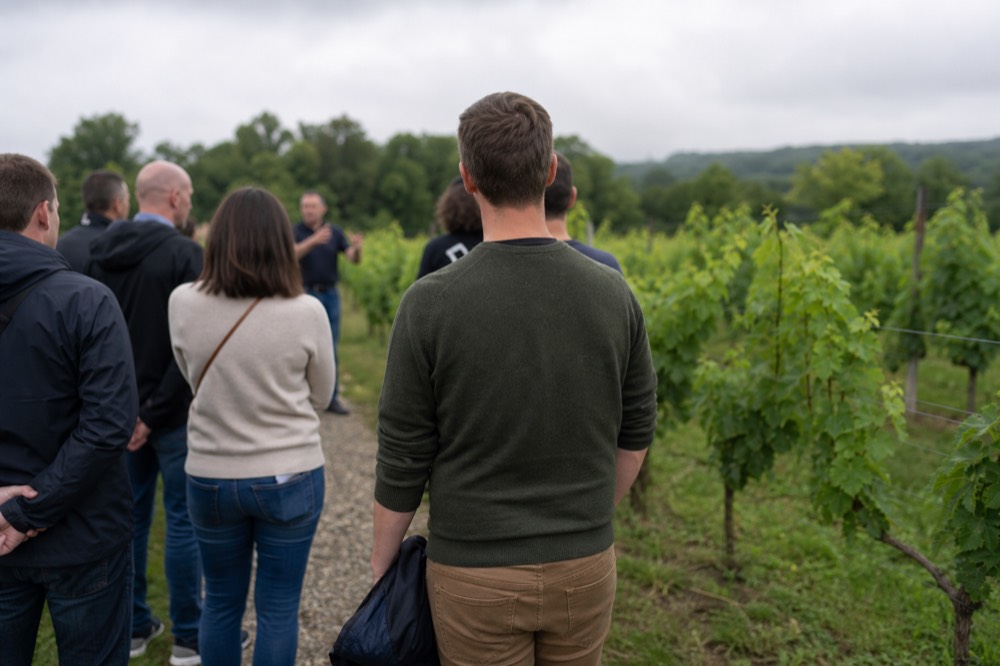
The guided route deserves the emphasis here, because the classification is exactly the kind of thing that benefits from a guide. Standing in Fonroque's biodynamic vineyard, the difference between a Grand Cru Classe and its unclassified neighbor is a story about soil, yields and a ten-year review panel, and a good English-speaking guide tells it while pouring both wines. The Grand Cru Classe winery visit tour covers the cellar and vineyard side of a classified estate, and the underground-monuments private tour adds the village's monolithic church, whose official tourist-office visits run roughly 11-15 EUR for adults (checked September 2026).
One practical note on timing: the classified estates are working vineyards, and 2026 has been an unusual year. The early harvest that began at Troplong Mondot on 19 August 2026 means late-August and September visits can coincide with picking, crushing and cellar activity. Some visitors love that energy; others find tasting rooms squeezed. If your dates are flexible, checking the harvest calendar with the estate or your tour operator before booking is worthwhile.
How do the classification tiers map onto wine tours?
The tiers map cleanly onto tour types. A single-chateau tasting at a Grand Cru Classe estate puts one ranked producer in your glass with a guide explaining the label. Small-group day trips from Bordeaux typically include two or three estates spanning different tiers, so you taste the ladder in one afternoon. Private luxury tastings reach the Premier Grand Cru names, and electric-bike tours connect classified estates without a car. Price follows rank.
The site's own roster follows that logic. The single-chateau-tastings category exists for travelers who want one estate in depth, usually a Grand Cru Classe property within easy reach of the village. The small-group day trips from Bordeaux build a comparison into the day. The private-luxury tier is where the Premier Grand Cru names and the older vintages live.
| Tour type | Classification tier you taste | Best for |
|---|---|---|
| Single chateau tasting (Grand Cru Classe) | One ranked estate, explained label by label | First-time visitors who want the classification decoded |
| Small-group day trip from Bordeaux | Two or three estates, often across tiers | Travelers comparing styles in one day |
| Private luxury tasting | Premier Grand Cru and older vintages | Collectors and special occasions |
| Electric bike wine tour | Classified estates linked by bike paths | Active travelers; the featured full-day tour runs $219 with a 5.0 rating from 731 reviews (checked September 2026) |
| Underground monuments plus Grands Crus private tour | Classified tastings plus the monolithic church | Visitors who want history and wine in one booking |
The featured electric-bike day tour is worth a specific mention for classification-minded travelers: covering the estates under your own pedal power makes the geographic logic of the tiers visible in a way no car window does. You feel why Figeac's gravel cap produces a different wine from Pavie's limestone slope because you ride between them.
For most first-time visitors, though, the English-led Grand Cru Classe tasting is the best entry point: one ranked estate, one guide decoding the labels tier by tier, and no transport logistics to arrange before the first pour.
The underground-monuments private tour is the other natural pairing for this page, since the monolithic church and its catacombs are the historical root of the whole classified landscape.
How often is the classification revised, and why does that matter for visitors?
The Saint Emilion classification is revised on a roughly ten-year cycle, with the current list announced on 8 September 2022 and valid through the 2031 harvest. Revisions matter to visitors because a chateau's rank is a live judgment, not a heritage plaque; estates have been promoted and demoted at past revisions, sometimes with legal challenges. A label you taste today reflects a ranking that could change at the next review.
Past revisions have seen estates demoted, and demotions have a history of ending in legal challenges, which is why the rules were tightened in later cycles. That history is not trivia; it explains why the 2022 list was awaited so nervously and why Figeac's promotion was the region's biggest wine story of the year.
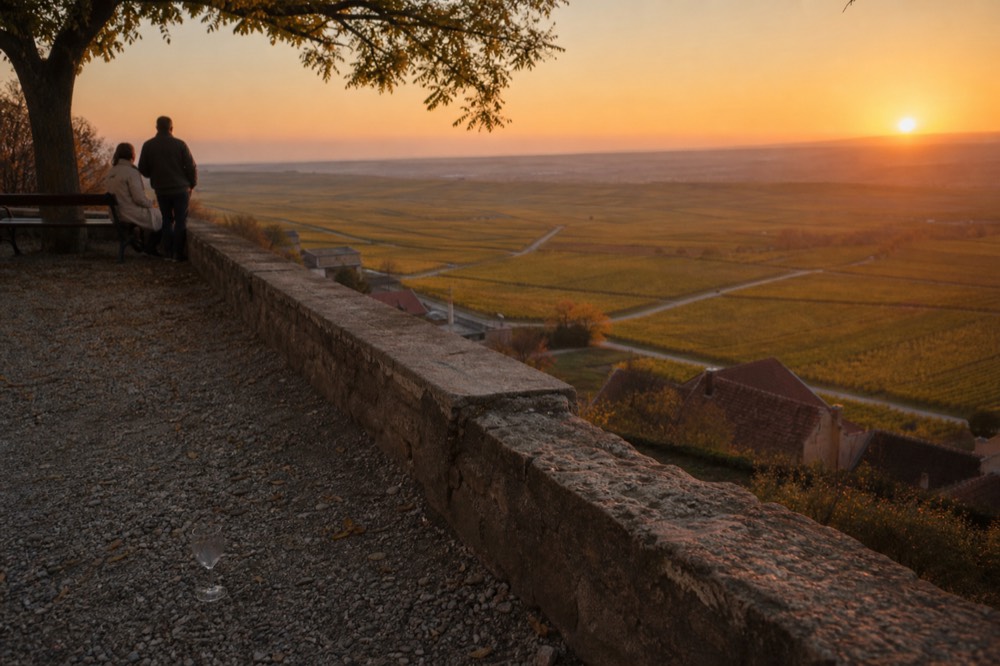
For a visitor, the practical takeaway is that the classification is a snapshot of a living argument. The 85 classified estates of 2022 are being judged continuously, on their wines, their vineyards and their conduct, and the next cycle will reshuffle some of them. If you taste a Grand Cru Classe that punches above its rank, you may be tasting a future Premier. If a Premier Grand Cru B feels like an afterthought, the panel may agree in time.
It also means the labels you photograph today are period pieces. The 2022 list runs through the 2031 harvest, so any bottle from those vintages carries this exact ranking, and the estates you visit are presenting wines made under the current classification's regime. That is a more concrete connection between a ranking document and a glass of wine than most wine regions can offer.
The comparison with the Medoc's long-frozen classified-growth list is the natural next read, and our guide to Saint Emilion vs Medoc and which to pick works through how the two classification philosophies shape two very different day trips.
If the classification has convinced you to taste rather than just read, these three tours are the ones that put ranked estates in the glass with the story attached.
The English-led tasting decodes the labels, the winery visit shows you the cellars behind them, and the private underground-monuments tour ties the whole classified landscape back to the village that anchors it. Whichever you choose, book through the operator's live listing for current times and availability.
The classification is Saint Emilion's own ten-year ranking of its estates, and the questions below cover the ones visitors ask most: what each tier means, who holds the top ranks, how Grand Cru differs from Grand Cru Classe, how often the list changes, and which classified chateaux you can actually visit.
Common questions about the Saint Emilion wine classification
What is the Saint Emilion wine classification?
It is an official ranking of Saint Emilion's estates, revised on a roughly ten-year cycle and most recently updated on 8 September 2022. It grades 85 properties into Premier Grand Cru Classe A (2 estates), Premier Grand Cru Classe B (12 estates) and Grand Cru Classe (71 estates), and it is the only French wine classification that is periodically re-evaluated.
What is the difference between Grand Cru and Grand Cru Classe in Saint Emilion?
Grand Cru is an appellation-level label available to several hundred estates in the designated zone, with no ranking attached. Grand Cru Classe is a classified rank held by only 85 estates after the 2022 revision, awarded through a formal review of terroir, practices, quality and reputation, and it must be re-earned each cycle.
Which estates are Premier Grand Cru Classe A in 2022?
Two estates: Chateau Figeac, promoted in the 2022 revision, and Chateau Pavie, which retained the rank. They are the only two properties at the top of the appellation's classification.
How many Grand Cru Classe estates are there in Saint Emilion?
The 2022 classification names 71 Grand Cru Classe estates, the third and largest classified tier. Above them sit 12 Premier Grand Cru Classe B estates and 2 Premier Grand Cru Classe A estates, for 85 classified properties in total.
How often is the Saint Emilion classification revised?
Roughly every ten years. The current list was announced on 8 September 2022 and is valid through the 2031 harvest, so wines from those vintages carry this exact ranking.
Can you visit classified Saint Emilion chateaux?
Yes. Chateau Pavie, a Premier Grand Cru Classe A estate, runs small-group visits from around 60 EUR booked direct (checked September 2026). Among Grand Cru Classe estates, Chateau Fonroque, Chateau Balestard La Tonnelle, Chateau Grand Corbin-Despagne and Chateau Villemaurine all offer visits or tastings, and guided tours bundle several classified estates into one booking.